
Paint protection film resale value isn’t about tacking extra dollars onto a sale price. It comes down to condition: a clear film layer sits between the original paint and everyday hazards like road grit, minor scratches and harsh weather. PPF won’t guarantee a higher number when the car changes hands, but a finish that’s held up well makes the whole vehicle easier to sell.
Paint condition can deteriorate through UV exposure, temperature, humidity and everyday abrasion.
PPF helps shield vulnerable panels against certain kinds of physical and environmental wear.
Australia’s enormous used-car market makes vehicle condition a real factor for owners planning to sell.
The paint underneath the film matters just as much as the film sitting on top of it.
How Does PPF Help Preserve a Vehicle’s Exterior Condition?
A car’s paint takes a beating every time it’s driven or parked outdoors, rain or shine. Shielding the exposed surfaces can slow the damage that dulls a finish over the years. Understanding how paint protection film works helps explain why it can be a worthwhile consideration for owners looking to preserve their vehicle’s appearance.
What Damages Automotive Paint Over Time?
A car parked all day outdoors faces more than the sun. Heat, humidity, road grit and the occasional stone chip wear at the paint, and daily scratches add to the damage.
None of this happens overnight. A 2025 study in Forensic Science International examined paint from eight vehicles and found the layers, thickness and composition varied even within a single car.
The bonnet and roof copped the worst of it, fading and turning brittle sooner than paint on the doors ever did. Sydney’s sun does the same to a car left in the driveway.
What Does Paint Protection Film Actually Protect Against?
Stone chips flicked up from the road.
Minor scratches and light surface scuffs.
Contamination that would otherwise reach bare paint.
Extra wear across high-impact panels.
A properly installed paint protection film works as a sacrificial layer, absorbing the impact so the paint underneath never has to. Recent coatings research backs up why that layer holds up so well.
A 2025 study in Progress in Organic Coatings found nanosilica-reinforced polyurethane coatings resist scratching from dust, sand and hard debris better than standard varnish. That’s the friction a bumper meets on every drive.
For owners comparing protection options, PPF versus ceramic coating explains the difference between a physical film barrier and a coating designed to protect the surface.
Can PPF Really Help Protect Your Car’s Resale Value?
PPF isn’t a guaranteed way to add dollars to a sale price. Its real value shows up in the condition it protects, especially once the paint underneath stays clean and well cared for.
Condition Matters When a Vehicle Changes Hands
Buyers weigh more than the odometer once a car goes up for sale. Exterior presentation, any sign of paint damage and how well the maintenance history stacks up all shape the first impression.
More than two million used vehicles changed hands across Australia in 2023, according to the Australian Automotive Dealer Association and AutoGrab, which shows just how large that market really is.
Their report found SUVs held value worse than every other segment, while utes and light commercials tracked above average. A tidy exterior won’t rewrite that pattern, but it helps a car compete.
Protect the Paint Before Damage Becomes Permanent
Timing and fit matter as much as the film itself. High-impact areas deserve early coverage, and the right amount depends on the car’s age, condition and how it’s driven.
Waiting until chips appear costs more than acting early. Touch-up paint hides a mark, but it doesn’t stop the metal underneath from corroding, and neither film nor paint looks after itself.
The most vulnerable panels on a car include the bonnet, front bumper and mirror caps, and that’s where a protection plan should start. Get ahead of it, and the paint stays original longer.
For drivers deciding how much protection is appropriate, front-end PPF versus full-vehicle coverage outlines the key differences between protecting high-impact areas and covering the entire vehicle.
Paint Protection Film and Resale Value in Sydney: What Should You Consider?
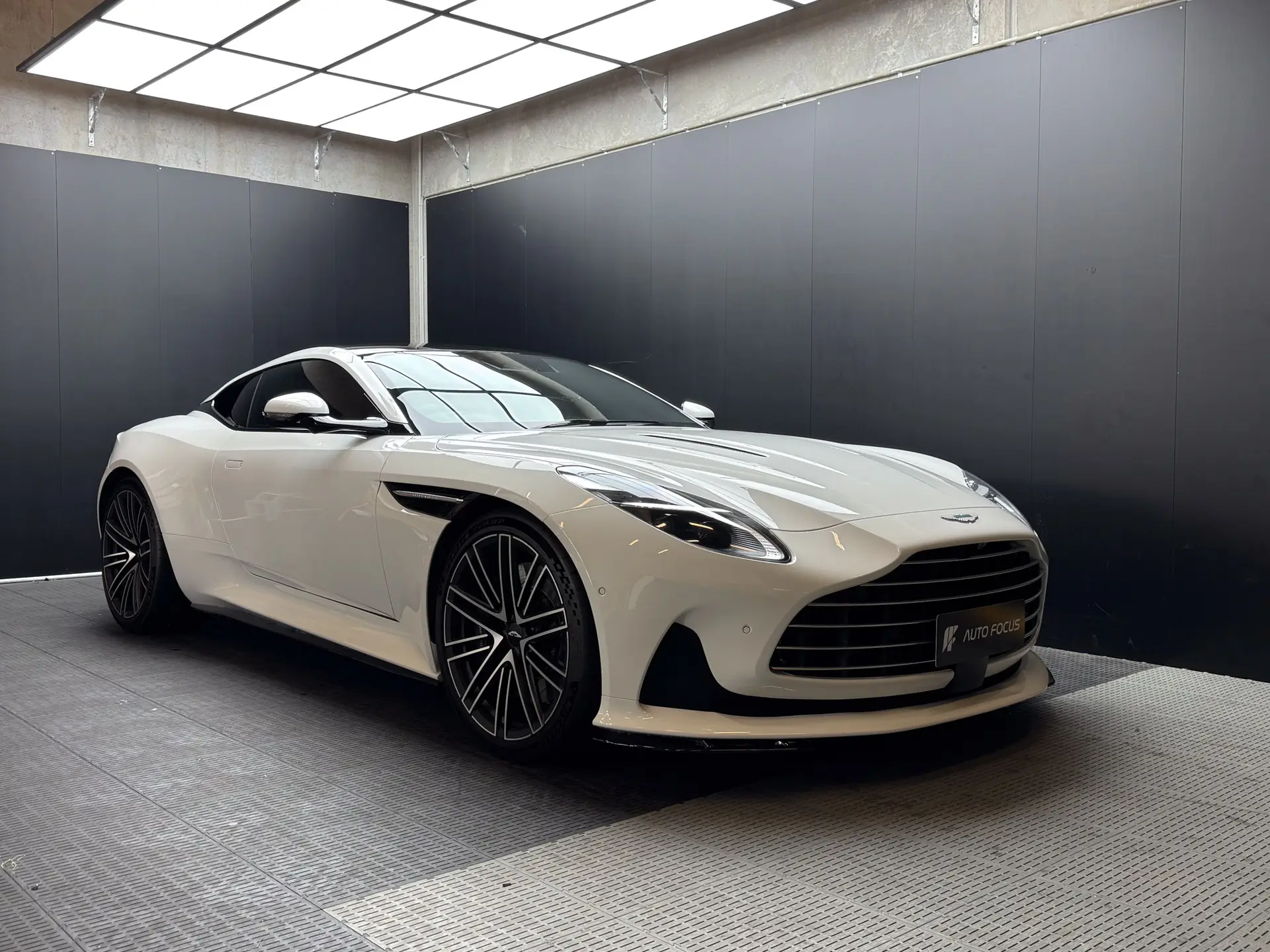
Paint protection film resale value plays out differently once Sydney’s climate and traffic enter the picture. A professional assessment settles which surfaces are worth protecting, and whether the existing paint can take PPF.
Think Beyond the Purchase Price of PPF
Cost matters, but it’s only part of the equation. The car’s age, how long it’s likely to stay in the garage, and how it’s driven and parked all shape the right coverage.
Even then, a pricier or rarer car doesn’t automatically need full coverage. Existing paint damage, and whether partial protection on the hardest-working panels makes more sense, are worth weighing too.
It’s also worth understanding what makes premium paint protection film different before choosing a product and coverage package.
Protect What Future Buyers Can Actually See
Bonnet and front bumper.
Guards and the side mirror housings.
Door edges, where knocks happen most.
Wherever chips and scratches tend to show up first.
Buyers notice the obvious spots first, and bonnets, bumpers and door edges draw the eye long before anyone checks the service history. Protect what’s visible, and the rest of the sale gets easier.
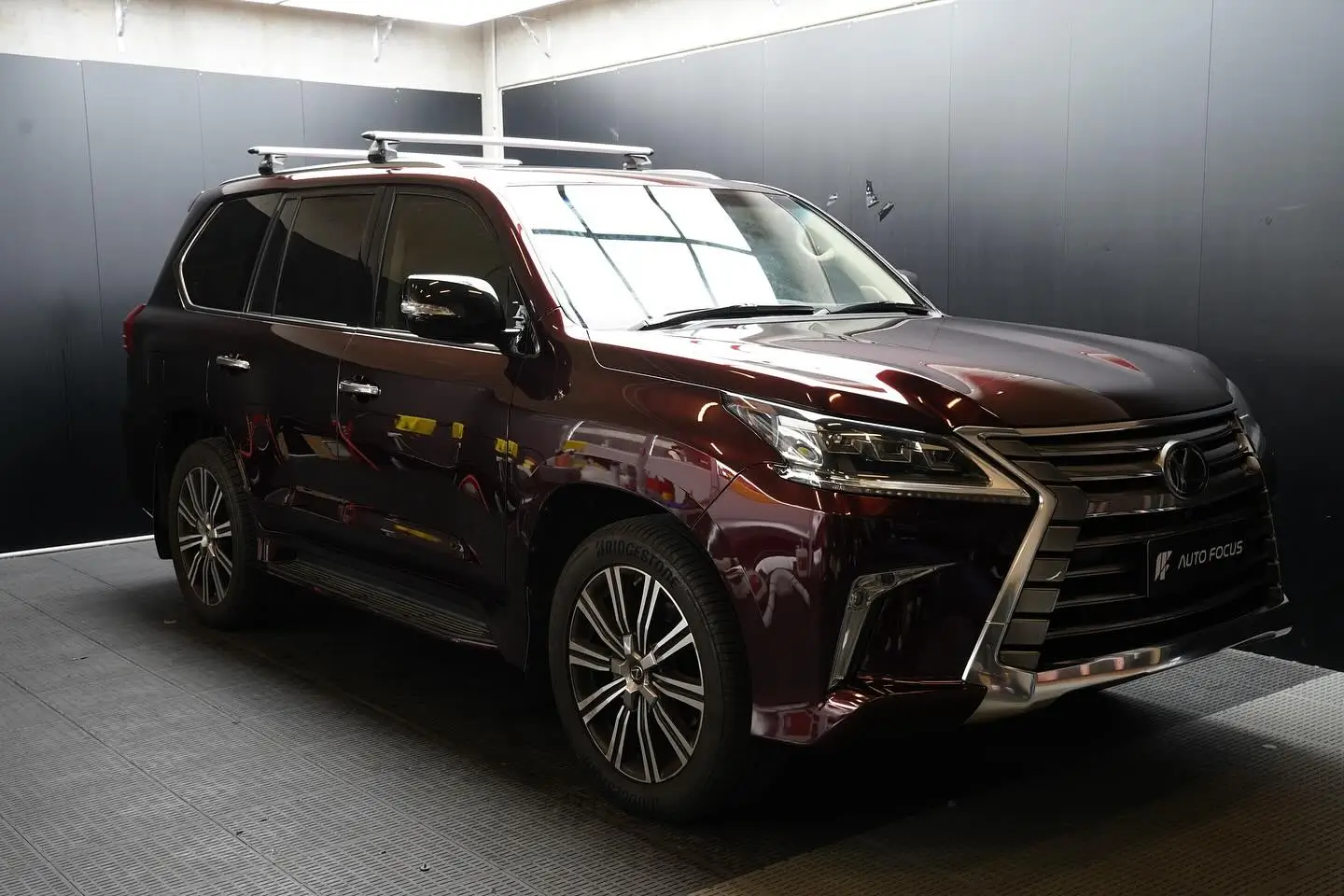
For more examples of how different vehicles are protected, browse the Autofocus Solution gallery to see completed installations.
Commonly Asked Questions About PPF and Vehicle Resale Value
These are the questions that come up most once owners start weighing PPF against a future sale. Most have a straightforward answer once the guesswork gets stripped away.
Does paint protection film increase resale value?
Not directly, and no honest installer will promise otherwise. What PPF protects is condition, and a well-preserved paint job tends to make a car easier to sell at a fair price.
Is PPF worth it on an expensive or luxury car?
Usually, yes. Luxury and performance vehicles can be particularly costly to repair when paint damage occurs, and buyers in that segment may inspect a car’s finish closely before making an offer. The right coverage still depends on the vehicle’s condition and intended use.
Does PPF protect the original paint underneath?
That’s the whole point of it. Film sits above the factory clearcoat and takes the impact from grit, chips and everyday scuffs, helping protect the paint underneath. For more detail, read about how self-healing paint protection film works.
Should I install PPF before selling my car?
Only if there’s enough ownership time left to make it worthwhile. Installing PPF weeks before a sale mostly protects the next owner, not the seller’s asking price.
Can damaged paint reduce a car’s resale appeal?
Definitely. Visible chips, scratches or dulled patches can affect a buyer’s first impression, even when the mechanical condition underneath the surface is genuinely excellent. PPF can help prevent certain types of future damage, but it won’t repair existing paint defects.
Don’t Let Preventable Paint Damage Take Away From Your Car’s Value
A chipped bonnet or a scratched door doesn’t have to be the story your car tells when it’s time to sell. That first impression is worth protecting early.
Autofocus Solution fits prestige and performance vehicles in Sydney with paint protection film designed to help preserve the exterior against everyday road hazards.
Book a no-obligation assessment through Autofocus Solution’s contact page, or look through recent completed installations to see the standard of finish worth protecting.
Whether you’re protecting a newly purchased vehicle or preserving a car you plan to own for years, explore Autofocus Solution’s paint protection film services to find out which coverage option may suit your vehicle.