
PPF matters most on the panels that cop the worst of a daily drive, and knowing which ones take that punishment first beats covering the whole car by default. Front bumper PPF and bonnet protection top that list, with front guards, side mirrors, rocker panels and door handle cups close behind, since stone chips and scratches reach these surfaces first. Driving habits, the car’s value and how much long-term protection an owner wants all settle which coverage package actually fits.
- Stone chips and road debris land on the nose before anywhere else, so front bumper PPF sits first on most lists.
- The bonnet’s leading edge cops daily damage first. Bonnet protection guards that edge.
- The best PPF coverage depends on driving habits and the conditions a car faces.
- Covering every panel isn’t necessary. The right package protects long-term paintwork where it counts.
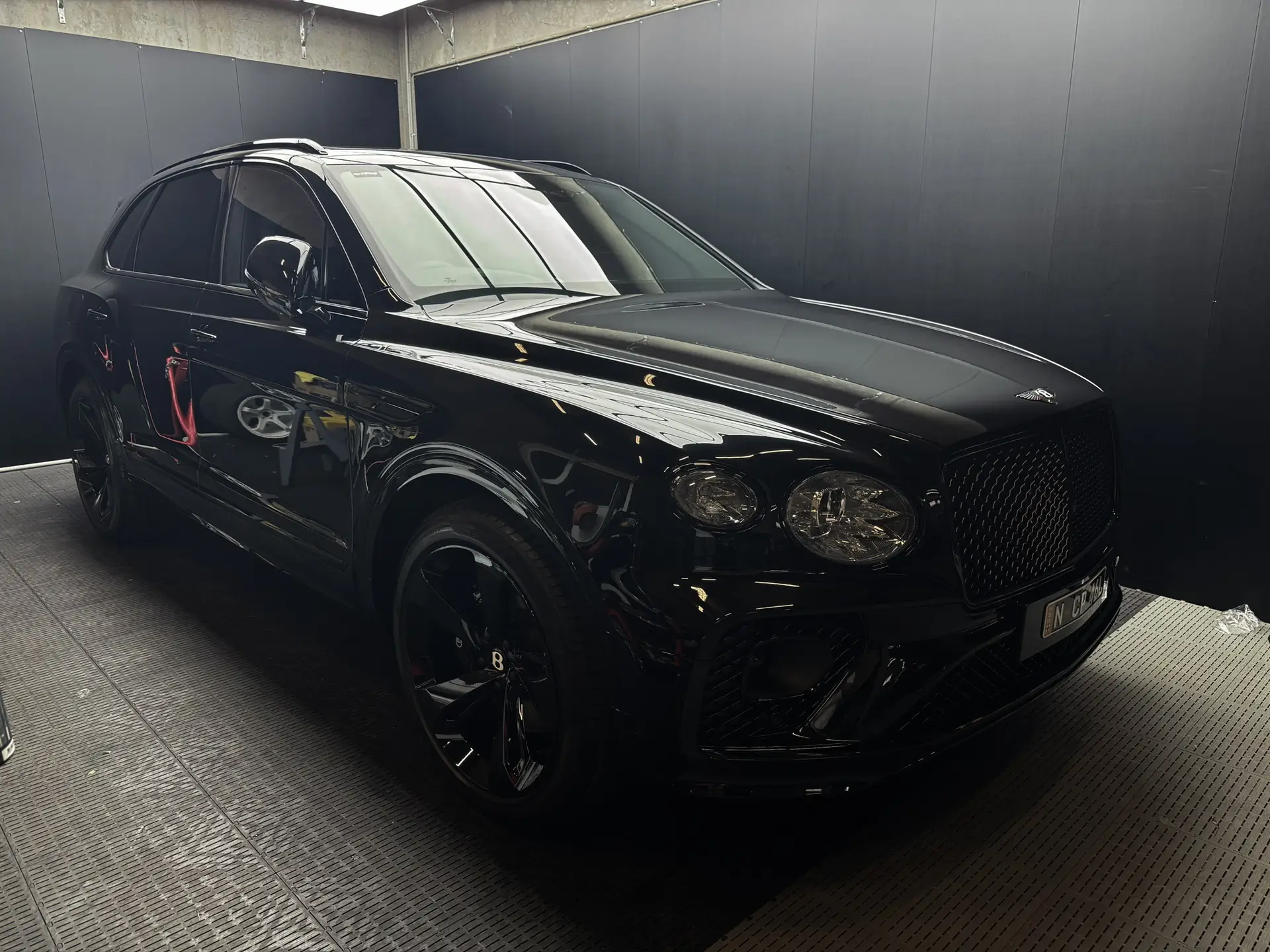
Which Parts of Your Car Benefit Most from Paint Protection Film?
A bonnet ages faster than a boot lid. Knowing where damage strikes first makes it easier to prioritise paint protection film coverage and get more value from the package.
High-impact areas that should be protected first
- Front bumper
- Leading edge of the bonnet
- Front guards
- Side mirrors
A stone chip rarely stops at the surface. It digs a shallow groove first, that groove develops into a crack under repeated stress, and enough hits eventually plough material away.
The weak point tends to sit where the coloured basecoat meets the primer underneath, which is exactly the seam most exposed on the panels above.
Secondary areas often overlooked
- Rocker panels
- Door handle cups
- Door edges
- Rear wheel arches
- Boot loading edge
Small panels. Big cumulative wear. These spots rarely make the shortlist, yet they absorb damage from car doors in car parks, stones on gravel driveways, and scuffs a boot lip collects while loading.
For owners who want broader protection beyond the highest-impact areas, understanding the difference between front-end PPF and full vehicle coverage can make it easier to choose a package that matches the way the vehicle is actually used.
Should You Choose Partial or Full Vehicle PPF?
Deciding between partial or full vehicle PPF comes down to the vehicle, how it’s driven and how long the owner plans to keep it. Some drivers only need protection up front.
When front-end protection provides the best value
- Daily commuting
- Highway driving
- Regional and country roads
- New vehicle protection
Front-end coverage suits most daily drivers, since the nose of the car absorbs nearly all the debris a typical commute throws at it.
The bonnet, front bumper, mirrors and front guards are usually the first panels worth considering. For owners comparing package sizes, full front PPF vs full vehicle PPF provides a useful way to assess what remains protected — and what remains exposed — with each option.
When full-body PPF is worth considering
- Luxury and prestige vehicles
- Performance cars
- Collectible vehicles
- Owners planning long-term ownership
Some premium films go beyond resisting scratches; they heal from them. Fine scuffs can smooth out because the polyurethane construction of self-healing PPF is designed to respond to heat and minor surface damage.
For owners considering complete coverage, how self-healing paint protection film works explains what happens inside the film when light scratches and swirl marks appear.
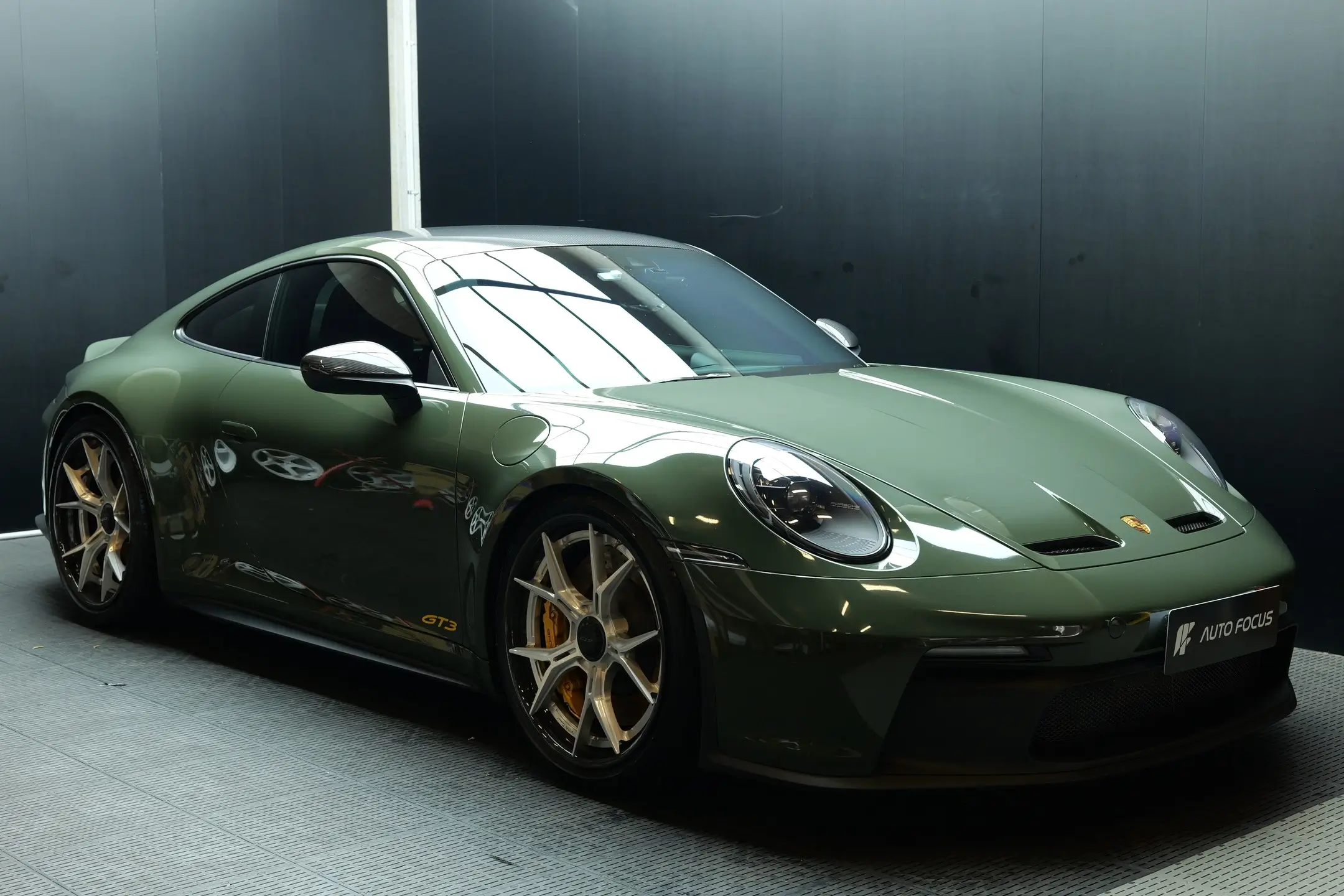
A full wrap covers every panel. Examples across Sydney’s prestige and performance fleet can be viewed in the Autofocus Solution gallery.
View this post on Instagram
Paint Protection Film Installation in Sydney: Which Coverage Is Right for Your Vehicle?
A typical week here brings motorway grit, roadworks dust, coastal salt air and bumper-to-bumper parking, often together. A professional assessment shows which panels, from bonnet protection to the rear guards, deserve priority.
Sydney drivers also need to consider how quickly road debris can affect exposed paint. For vehicles regularly travelling on motorways or open roads, why Sydney roads make PPF essential is worth considering when deciding how much coverage is appropriate.
Factors that influence the ideal PPF package
- Driving frequency
- Parking environment
- Vehicle type
- Budget
- Ownership period
Every driveway and commute is different.
A car that spends most of its time parked inside a secure garage and only comes out on weekends may need a different package from a daily commuter covering Sydney motorways every day.
Vehicle value matters too. Owners of prestige and exotic cars often place a greater emphasis on maintaining the original factory finish across every painted surface. If you’re deciding between targeted and complete protection, the choice should reflect how much of that original finish you want to preserve.
Why professional installation matters
- Seamless coverage
- Accurate panel alignment
- Long-term durability
- Manufacturer-backed products
- Proper surface preparation
Film only performs as engineered when the fit is right, since poor seams and trapped air can create weak points early.
Understanding what happens if paint protection is installed incorrectly is important before choosing an installer. Lifting edges, trapped contamination, bubbles and poor alignment can undermine an otherwise premium PPF product.
Installation also matters when selecting self-healing film. Even self-healing PPF relies on correct preparation, application and finishing to deliver the appearance and performance owners expect.
Autofocus Solution provides professional paint protection services for Sydney drivers, with recommendations based on the vehicle, driving conditions and desired coverage.
Frequently Asked Questions About Paint Protection Film Coverage
A clearer picture of coverage makes the decision easier.
Is the front bumper the most important area to protect with PPF?
Usually, yes. It absorbs more stone chips and road debris impact than almost any other panel, which is why front bumper PPF tops priority lists. Bonnet protection often gets bundled in too.
The front bumper is only one part of the high-impact zone, however. The bonnet leading edge, front guards and side mirrors can also receive significant exposure, particularly during motorway driving.
Should I get bonnet protection if I’m only choosing partial PPF?
Most partial packages include it. The bonnet takes a similar beating to the bumper on the highway, so leaving it bare undercuts the point of a partial wrap.
For a new vehicle, protecting these areas before the first major stone chips occur can help preserve the factory finish from the beginning.
Is full-body PPF worth it for a luxury vehicle?
Often, yes, particularly for cars that hold their value or get driven hard. Full coverage protects panels that partial packages miss, like the roof, pillars and rear quarters.
Luxury and exotic vehicle owners may also prefer complete coverage because maintaining consistent paint condition across the entire exterior can be more important than simply protecting the highest-risk areas.
If you’re still comparing the two options, read full front PPF vs full vehicle PPF to understand the differences in coverage and long-term value.
Can I add more protected panels later?
Yes. Matching new film to older, sun-exposed film takes a practised eye, though a professional installer can usually blend the edges so the join isn’t obvious.
That said, installing the desired coverage from the beginning is generally preferable where possible. It avoids differences in film age, colour and surface appearance between older and newly installed sections.
How long does professionally installed PPF typically last?
Well-maintained film typically holds its finish for years, though the timeframe shifts with the product used and local driving conditions. It pays to check the manufacturer’s warranty terms before booking.
Maintenance, exposure to sunlight, washing methods, storage conditions and installation quality can all influence long-term performance.
Owners should also understand that PPF is not designed to make paint completely damage-proof. It acts as a sacrificial protective layer, absorbing many forms of road and surface damage before they reach the factory paint.
For a broader explanation of what modern film can and cannot protect against, what makes premium paint protection film different is a useful next read.
Protect the Areas That Matter Most with Autofocus Solution
Every car wears differently. The panels that need protection first depend on how the car is driven and where it spends most of its time.
For some vehicles, that means prioritising front bumper PPF, bonnet protection, front guards and mirrors. For others, particularly luxury, performance and long-term ownership vehicles, full-body coverage may make more sense.
The right package doesn’t necessarily mean covering every panel. It means protecting the areas most exposed to the type of driving, parking and environmental conditions the vehicle experiences.
Autofocus Solution offers a no-obligation consultation to map priority areas, from front bumper PPF and bonnet protection through to full coverage. Book your appointment for a tailored plan.