
A stone kicked up by passing traffic does not care how new the paint is. Premium paint protection film provides a barrier to take the hit first, though nothing guarantees immunity. Quality film and professional installation keep vulnerable panels better protected.
- Stone-chip damage is shaped by impact speed, angle, and the surface being hit
- The film absorbs and disperses some of the force before it reaches the paint
- High-exposure areas benefit most from targeted coverage
- Film quality, coverage, and installation all affect the rock chip protection on offer
How Does PPF Protect Against Stone Chips?
Paint underneath survives longer because something else takes the impact first. A tough, flexible layer soaks up each strike before it reaches the factory gloss.
What Happens When Road Debris Hits Your Paint?
Every stone thrown up by the car in front lands somewhere. At 100 km/h on a wet motorway, that same grit carries real force, and the front end absorbs most of the strike.
A tiny chip already hides real damage. One chip can trigger delamination through a coating’s layers, so a mark that looks like a tiny white dot can already be lifting clearcoat beneath it. Leave it, and water and grime work their way in, turning a cosmetic blemish into a rust problem.
Angle plays its part too. A stone clipping a near-vertical bumper strikes harder than one grazing a sloped bonnet.
Can PPF Absorb the Impact?
A strike does not go straight to the paint. Thick, flexible polyurethane can flex on contact, spreading some of that force across a wider patch of the panel instead of driving it straight through.
How hard a chip bites is mostly physics, not bad luck. Speed and impact angle decide much of it, as does the toughness and construction of the protective material.
None of that makes film bulletproof. A big enough rock at the wrong angle can still mark it.
The sacrificial layer’s job is soaking up hits meant for paint, wearing down in its place.
That is the whole idea behind rock chip protection: giving each impact something to strike that is not the paintwork.
For owners comparing protection systems, it is also worth understanding what makes premium paint protection film different and why film is specifically designed for physical protection rather than simply surface gloss.
Which Areas Need the Most Stone-Chip Protection?
Coverage works best when it is matched to where the car actually takes hits, so the smart move is protecting the panels most exposed to the road rather than buying by package size.
The Most Vulnerable Areas of a Vehicle
Where damage lands is not down to chance. Forward-facing panels sitting near vertical generally cop the heaviest hits, which is why this list rarely changes car to car:
- The front bumper, first in line for everything the road throws up
- Bonnet and its leading edge, where airflow drives grit straight in
- Front guards sitting just behind the wheels
- Side mirrors, small but constantly in the firing line
- A-pillars and other surfaces angled into the wind
The front bumper and bonnet are usually the first areas worth prioritising. Owners looking at specific coverage zones can also see what areas of your car should be protected with PPF before deciding how much film is appropriate.
Is Partial PPF Enough for Your Driving?
So does front-end coverage do the job? For plenty of drivers, it does. The trick is being honest about how and where the car spends its time.
Motorways serve up the worst of it: fast, sustained, and constant. A car that spends its life on the highway meets far more grit than one that mostly potters around town.
Front-end damage eases up in the city, but new hazards take over: kerbed rims, tight car parks, and the odd flicked stone in stop-start traffic.
Then there are cars where the stakes run higher. Paint that is expensive and hard to match changes the equation, and luxury, performance, and freshly resprayed cars often carry exactly that.
For a clearer comparison between targeted and complete coverage, front-end PPF vs full vehicle coverage explains when each package makes sense.
View this post on Instagram
Premium Paint Protection Film in Sydney: What Should You Look For?
Sydney roads, from motorway grit to city kerbs, keep paint under constant fire, so the real value comes from premium PPF matched to the car and fitted by a skilled installer.
What Makes a PPF Installation Worth Considering?
Not all film, and not all fitting, is equal. A few things separate a job that lasts from one that lifts within a year:
- Film quality and optical clarity, so the finish stays glassy rather than hazing over time
- Proper panel preparation, since anything left on the paint gets sealed under the film
- Coverage mapped to the actual vehicle instead of a rough template
- Precise edges and wrapped joins that are hard to spot once fitted
- A film designed for the level of impact and environmental exposure the vehicle experiences
Film selection matters, but installation is just as important. A premium product cannot compensate for poor preparation, inaccurate cutting or careless application.
Why Professional Installation Matters
A rushed install shows up later. Edges start lifting or peeling, dirt tracks under the film, and what looked fine on collection day turns messy within months.
Coverage matters as much as craft. A gap along a leading edge is just where the next stone finds bare paint, so it pays to see examples of finished PPF installations before booking.
A good installer also reads the car before touching it. The hardest-hit panels are no mystery to an experienced installer, and coverage gets steered toward those spots.
Sydney’s roads create their own set of challenges. Motorway driving, roadworks, coastal exposure and heavy urban traffic all contribute to paint wear, making professional assessment particularly useful when deciding between front-end and full-vehicle protection.
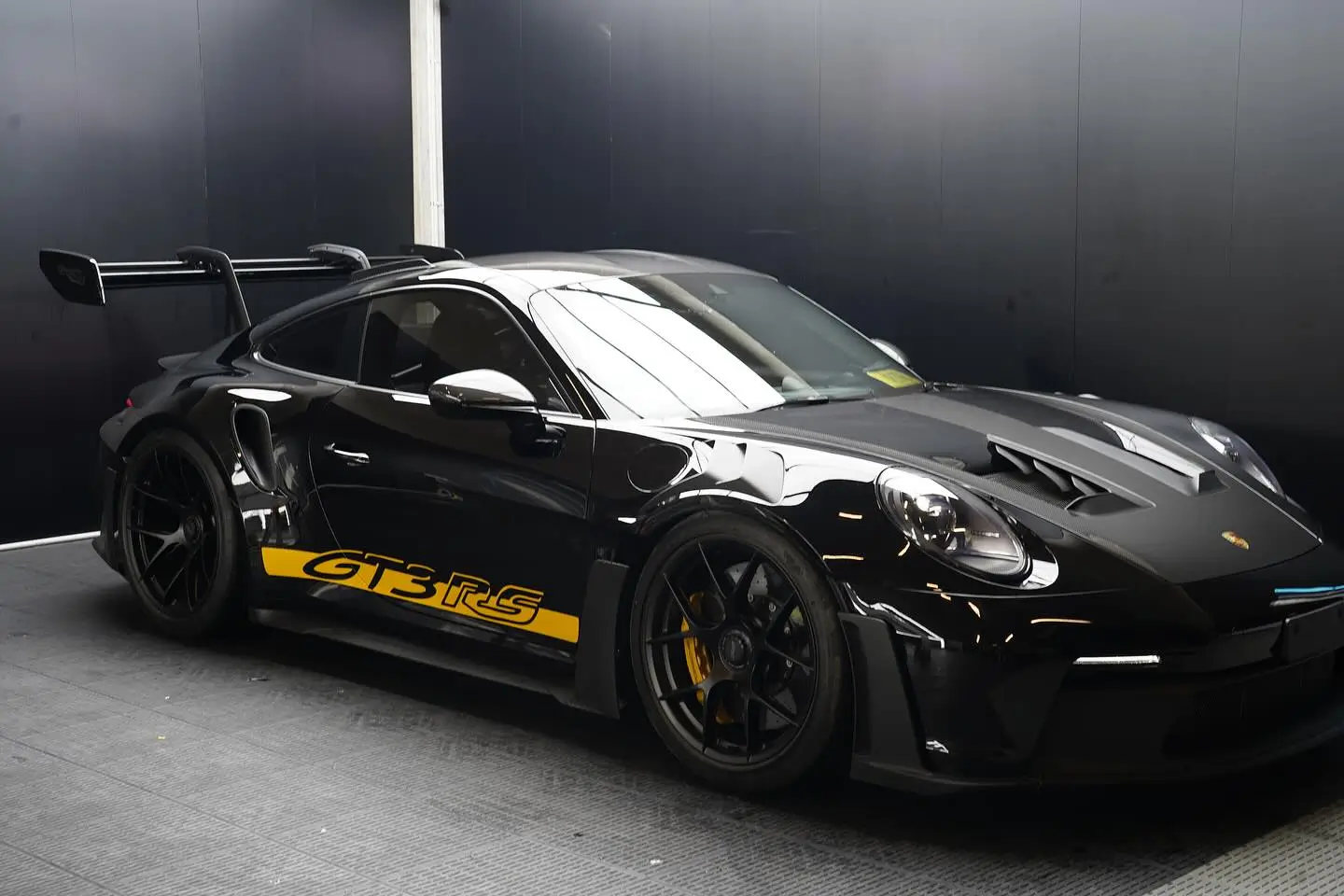
Frequently Asked Questions About PPF and Stone Chips
A few questions come up again and again once owners start weighing up film, so here are straight answers to the ones that tend to shape the decision.
Can PPF completely prevent stone chips?
No. Nothing on the market stops every rock on the road. What quality film does is reduce how often a chip reaches the paint underneath and absorb or disperse some of the impact before it gets there.
The film itself can still be marked by sufficiently severe impacts, but replacing a damaged section of PPF is generally preferable to repairing the factory paint beneath it.
Is PPF worth it for highway driving?
Usually, yes, for cars that spend hours on the motorway. Distance and speed both add up: more kilometres at higher speed means more airborne grit reaching those panels than a city runabout meets.
Front-end coverage is particularly useful for highway-heavy vehicles because the bumper, bonnet, guards and mirrors remain continuously exposed to debris.
How long does PPF protect against stone chips?
Grade matters, and so does how well it was fitted. Daily driving habits and the care it gets afterwards decide the rest. Cleaner habits and gentler exposure can help stretch the working life.
Premium films can provide years of protection when properly installed and maintained, but owners should always check the specific manufacturer’s warranty and care requirements for the film selected.
Should I protect the whole car or just the front?
It comes down to exposure and driving style. Front-end coverage is a sensible starting point for most drivers, while owners chasing fuller paint preservation often go broader.
Full-vehicle PPF can make particular sense for luxury, performance, exotic and collectible vehicles, or for owners planning to keep the car long term. If you’re weighing the two approaches, full front PPF vs full vehicle PPF provides a useful comparison of coverage and long-term protection.
Can PPF be applied after my car already has stone chips?
Yes, though the surface should be checked first. Existing chips and scratches are best assessed beforehand. PPF protects the condition of the paint at the time of installation; it cannot undo existing damage.
Depending on the severity of the damage, paint correction or repair may be recommended before film is installed. Starting with a properly prepared surface gives the finished installation a cleaner appearance and better foundation.
Can ceramic coating protect against stone chips?
No. Ceramic coating and PPF serve different purposes. Ceramic coating is primarily designed to provide hydrophobic behaviour, gloss enhancement and protection against environmental contamination, while PPF provides a physical barrier against impacts.
Owners wanting both easier maintenance and stronger physical protection can consider combining the two. Ceramic coating vs PPF can help explain where each system fits.
Protect Your Vehicle From Stone-Chip Damage With Autofocus Solution
Not sure how much coverage your car needs? Autofocus Solution can assess where your vehicle takes the most punishment and match the film and coverage to how you actually drive.
Whether you need front bumper protection, bonnet coverage, a front-end package or complete vehicle PPF, the goal is the same: put a durable protective barrier between Sydney’s roads and the factory paint you want to preserve.
Book a free consultation and work out the coverage that fits your car, your driving environment and your long-term ownership goals.