
Some paint protection films cope with daily wear far better than others, and PPF film thickness is a major reason why. Film depth changes how effectively the surface handles road debris, light scratches, UV exposure, and everyday driving wear. The best setup usually comes down to driving patterns, parking conditions, and how well the owner wants the paint preserved.
For vehicle owners considering paint protection film, understanding thickness is one of the most important factors when comparing protection options.
- Heavier film layers generally absorb road impact more effectively
- Thickness can influence finish appearance, stretchability, and surface recovery
- Film construction quality affects durability just as much as overall thickness
- Australian driving conditions can accelerate paint wear without proper protection
- Choosing the right installer matters just as much as choosing the right film
What Does Film Thickness Mean in Paint Protection?
Film thickness sounds technical, but it’s one of the most practical factors when choosing paint protection — and most car owners don’t hear about it until after a decision has been made.
What is the Best Film Thickness for Paint Protection?
Most premium PPF film thickness options sit between 6 mil and 10 mil. Some manufacturers use microns instead of mils, with one mil equal to approximately 25.4 microns.
Vehicle owners researching types of paint protection film will often find thickness listed alongside self-healing properties, hydrophobic performance, and warranty coverage.
Why Thickness Matters More Than Most Car Owners Realise
A thicker film absorbs more physical impact before that energy reaches the paint. On a highway or gravel road, the difference between a 6 mil and an 8 mil film can mean the difference between a clean surface and a chip that works through.
Scratch resistance and long-term durability both scale with the film’s capacity to absorb repeated impact.
Thin vs Thick Paint Protection Films
Films with lower thickness tend to contour more naturally around mirrors, bumpers, and tighter body lines, which can simplify installation on vehicles with aggressive styling. Thus, thicker films offer superior durability but require a more experienced hand.
Some thicker films show minor texture variation under certain lighting — something that matters more on a gloss black luxury vehicle than on a matte-finish daily driver.
How Film Thickness Affects Vehicle Protection
The relationship between film thickness and protection shows up in specific, predictable ways depending on how and where a vehicle is driven.
Better Protection Against Rock Chips and Road Debris
Most impact damage happens across forward-facing panels. At highway speeds, even small gravel and tyre-thrown debris can hit hard enough to mark exposed paint, especially when the protective layer is too thin to disperse the force properly.
Vehicles near unsealed roads — common in outer Sydney and regional NSW — face higher chip frequency than urban drivers might expect.
Resistance to Scratches and Swirl Marks
Swirl marks typically come from improper washing or abrasive automatic car washes. A thicker film with a strong top coat resists minor abrasion that would otherwise mark clear-coated factory paint.
This is particularly relevant for paint protection film on dark-coloured vehicles, where swirl marks are most visible.
This is particularly relevant for paint protection film on dark-coloured vehicles, where swirl marks are often most visible under direct sunlight.
UV and Environmental Protection in Australian Conditions
Vehicle paint in Australia deals with more environmental stress than many owners realise. Constant exposure to sunlight, changing weather conditions, coastal salt, traffic grime, and acidic fallout slowly weakens painted surfaces over time.
A 2025 study featured in Polymers identified UV resistance and abrasion durability as two major factors affecting long-term paint protection performance, especially in hotter regions exposed to consistent sunlight.
Understanding how PPF performs in Sydney’s heat is particularly important for owners looking to maximise long-term durability and appearance.
Does Thicker Film Last Longer?
A thicker film generally lasts longer because there’s more material protecting the paint, although maintenance quality and top coat condition still play a major role in long-term durability.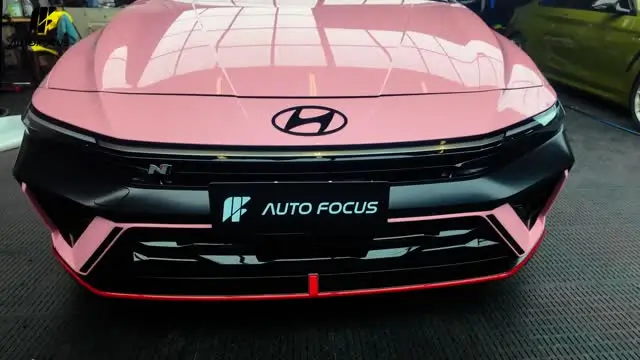
Does Thicker Paint Protection Film Always Mean Better Quality?
PPF film thickness is important, although thicker material alone doesn’t automatically translate to better long-term performance. Many buyers focus too heavily on thickness while overlooking factors that affect everyday durability far more.
The Difference Between Thickness and Film Quality
An 8 mil premium PPF often performs better than a cheaper 10 mil option because durability depends on adhesive strength, surface chemistry, and self-healing capability — not thickness alone.
Research published by AZoM found that excessive layering can actually reduce durability — multi-layered samples showed significantly higher wear rates due to poor adhesion and increased friction. More material doesn’t compensate for poor formulation.
When Extremely Thick Films Can Become a Problem
Films beyond a certain thickness lose flexibility, creating installation challenges on curved panels — door edges, mirror housings, and bumper corners. Edge lifting becomes more likely when the film resists conforming to a tight radius.
Some very thick films also introduce a subtle orange peel texture under direct lighting, which defeats the purpose on a vehicle where finish quality is a priority.
Finding the Right Balance Between Protection and Appearance
For many luxury and performance vehicles, 8 mil is often the preferred balance — offering reliable impact protection while maintaining the smooth finish and gloss expected from premium paintwork.
Owners of prestige vehicles such as BMWs often choose this approach because BMW paint protection film installations need to preserve both aesthetics and resale value.
Choosing the Right Film for Your Vehicle
Film selection becomes much easier once driving habits, exposure levels, and finish expectations are considered together. The right thickness for a garage-kept weekend car won’t always suit a daily-driven vehicle spending hours on busy roads.
Daily Drivers, Exotics, and the Panels That Need It Most
Luxury vehicles carry a higher cost-per-panel for paint correction, which makes the protection decision more consequential.
For Sydney daily drivers, 8 mil strikes the most practical balance — handling typical highway and urban debris while maintaining optical clarity.
Performance and exotic vehicles are often exposed to heavier debris impact at higher speeds, which is why 8–10 mil protection is regularly chosen for bumpers, mirrors, bonnet edges, and other vulnerable areas.
Comparing Paint Protection Film and Ceramic Coating
Both protect vehicle paint, but at completely different physical scales.
Why PPF Outperforms Ceramic for Impact Protection
Ceramic coatings are applied at the micron level (typically under 10 microns) versus PPF at 150-plus microns.
Ceramic coating forms a bonded surface layer designed to improve water behaviour, reduce contamination buildup, and help shield against UV exposure.
Paint protection film works differently. PPF is designed to absorb impact from road debris and surface contact before the paint underneath takes the hit. For broader protection, many vehicle owners combine both instead of choosing one over the other.
Can You Combine PPF and Ceramic Coating?
Layering ceramic coating over PPF is well established in the premium segment. The ceramic top coat enhances hydrophobic properties, simplifies maintenance, and adds gloss depth that most PPF films can’t achieve alone.
Common Mistakes When Choosing Paint Protection
Most protection failures trace back to decisions made before the film was installed.
Choosing on Thickness Alone and Skipping Warranty Checks
Spec sheets can be selectively flattering. High mil thickness without context about adhesive quality or warranty terms is an incomplete picture. Questions about PPF yellowing are often a symptom of low-quality film, not thickness.
Reputable brands carry meaningful warranties against yellowing, delamination, and cracking — an unbranded film with no warranty history means very little regardless of its stated spec.
Overlooking Installation Quality
Visible seams, raised edges, trapped particles, and lifting corners are more commonly caused by poor installation than the film itself. These issues usually appear when preparation is rushed or when complex panels aren’t handled properly.
These problems surface weeks after the job. Install quality matters as much as film selection — often more so.
Complex panel shapes and sensitive finishes on luxury vehicles don’t forgive shortcuts, and a poor install on a high-value car can cause more damage than it prevents.
Get in touch to discuss the right approach before booking.
Frequently Asked Questions About Sydney PPF Film Thickness
The questions below cover what most car owners want confirmed before committing to a protection decision.
What is the best film thickness for paint protection?
Most premium PPF film thickness options sit within the 6 mil to 10 mil range. The better choice depends on road exposure, driving conditions, and whether the owner prioritises finish clarity or heavier protection.
Is thicker paint protection film worth it?
In most cases, yes. Thicker film generally manages impact and surface abrasion more effectively, although durability still depends heavily on film quality and installation standards.
Does thicker PPF last longer?
Thicker material usually takes longer to wear down under repeated exposure, although lifespan still varies based on maintenance, climate conditions, and overall film quality.
Can paint protection film damage paint?
Professionally installed high-quality PPF protects factory paint rather than damaging it. Problems occur when low-quality films or improper installation methods are used.
Is ceramic coating enough protection on its own?
Ceramic coating resists contaminants, UV, and water spotting — but not impact. Many luxury car owners combine both for maximum protection.
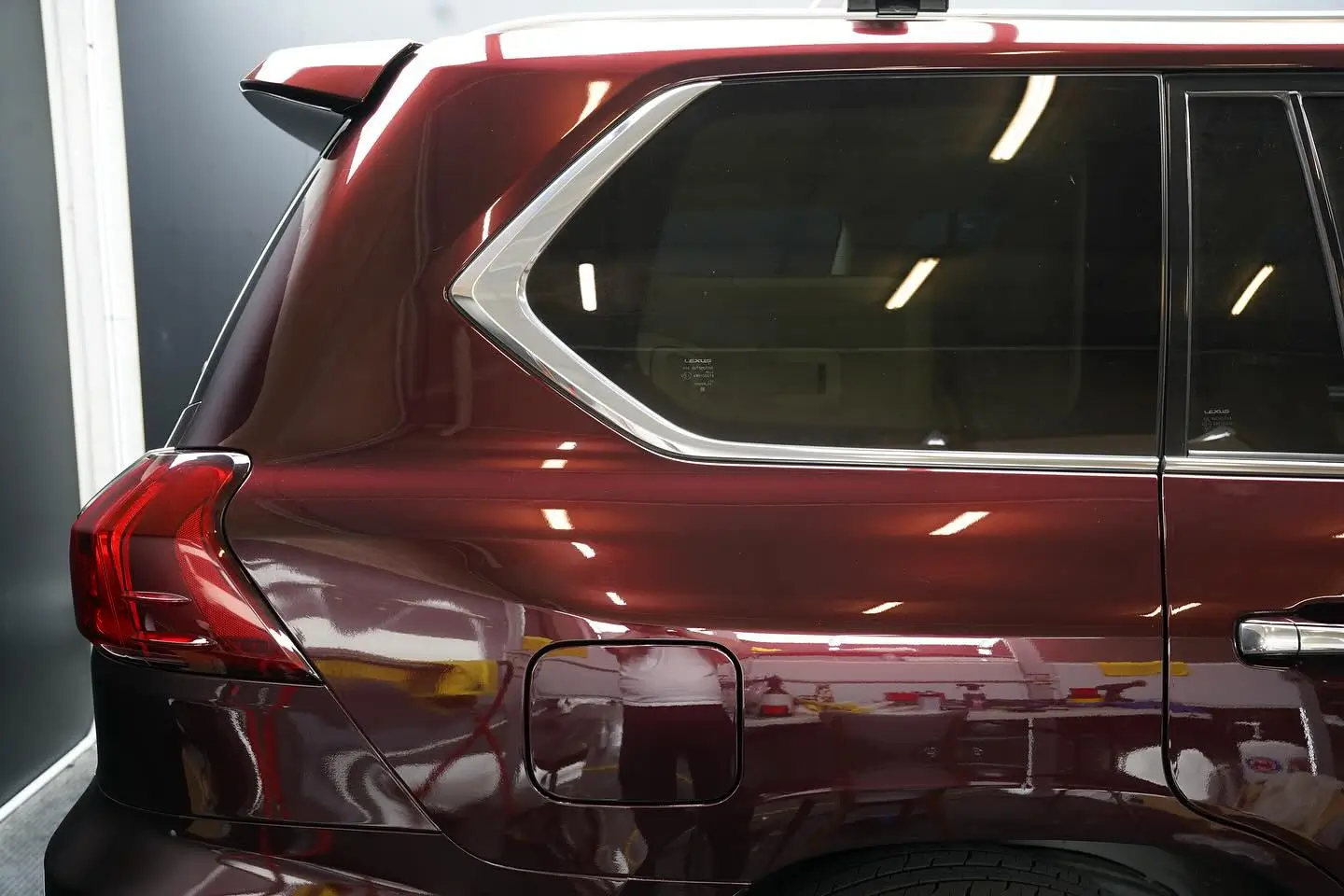
Protect Your Vehicle with Premium Paint Protection Solutions
Daily driving exposes paintwork to far more punishment than most owners notice at first — from airborne debris and UV exposure to contamination picked up during regular road use.
The right protection setup can help lower future paint correction costs while helping the finish stay cleaner over time. Protection requirements often differ between luxury sedans, performance cars, SUVs, and regularly driven vehicles.
Autofocus Solution delivers paint protection services tailored to driving conditions, finish preferences, and long-term ownership expectations.
Speak With the Team About the Right Protection Setup
The film brand matters. The thickness matters. The installer matters. Get any one of those wrong, and the investment doesn’t hold up the way it should.
A quick conversation with the Autofocus Solution team covers all three — no obligation, no pressure, just honest recommendations based on your vehicle and how you drive it.
Enquire here and get a free personalised quote or explore the full paint protection film range at Autofocus Solution.