
Premium car wraps for sports cars give performance vehicle owners a way to change their car’s appearance without committing to a permanent repaint, covering everything from a subtle tone shift to a full colour-shifting or custom-designed finish. Getting it right comes down to the film type, the finish chosen, the paint condition underneath, how the car is actually driven, and the quality of the install, especially with Australia’s UV levels working against the film every day it sits in the sun.
Here’s what this guide covers:
-
Cast and calendared films behave differently once they’re on a car, and picking the wrong one shows up fast on tight curves.
-
The finish, whether gloss, satin, matte or something more dramatic, changes how the whole car reads from across a car park.
-
Australian UV exposure plays a bigger role in a wrap’s lifespan than most owners expect, particularly for cars parked outdoors.
-
Getting the tricky bits right—mirror caps, vents, badges and complex curves—is where a professional install earns its price.
What Makes a Premium Car Wrap Suitable for a Performance Car?
Performance cars carry aggressive curves and high-visibility panels that expose a cheap wrap fast. A premium finish has to survive daily driving and still look sharp, well past the glow of delivery-day photos.
Choose the Right Film for the Vehicle
Cast vinyl moulds around a bonnet scoop or a flared arch without fighting back. Calendared film tends to lift at exactly those spots within a year.
Add to that the choice between a full wrap and a partial one, since full coverage protects more surface but asks considerably more of the installer around vents and badges.
That distinction shows up most on a wide rear haunch or a performance bonnet, where cast film stretches into the curve instead of bridging over it like a tent.
In practice, some owners add a separate layer of paint protection film beneath the colour across the nose and mirror caps, stacking real impact resistance underneath the finish everyone actually sees.
Whether that film sits over an existing colour wrap or goes on beforehand changes how well both layers bond, a detail worth settling before either one touches the car.
For a closer look at the available finishes and installation options, explore Autofocus Solution’s vinyl wrapping services.
Match the Finish to the Car’s Design
On a wide-hipped coupe, the same Army Green film reads as a different colour in gloss than in satin, well before matte or a colour-shifting finish joins the comparison.
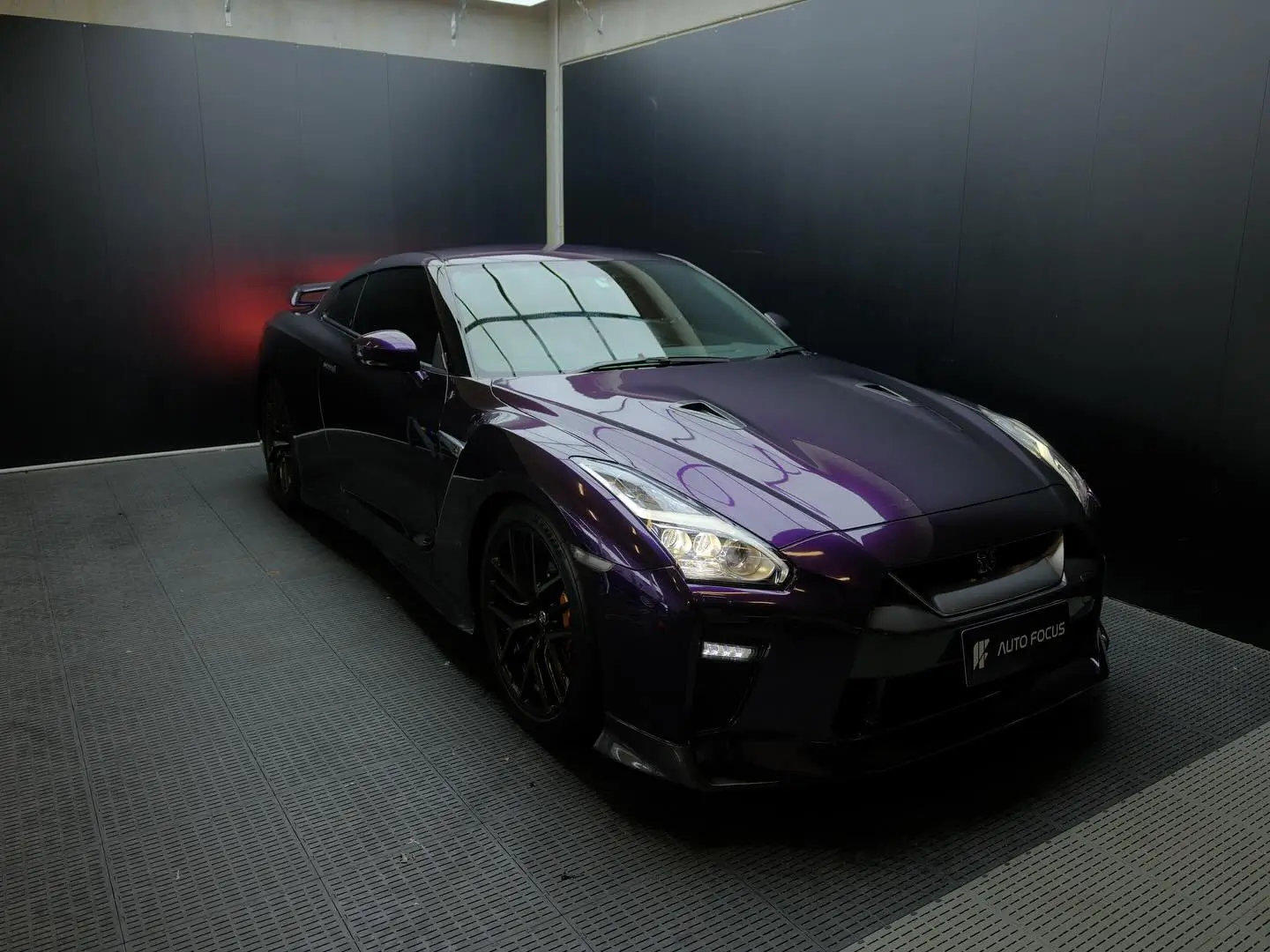
A deep Midnight Purple in full gloss throws back light that duller finishes simply swallow, and that shift alone shows why finish carries as much weight as colour.
Metallic and colour-shifting films take that even further, since tone itself shifts under different light and angles, and the gallery of completed wraps shows just how dramatic that change looks in person.
Still, subtle works just as well: a satin roof, contrasting mirror caps or a single accent panel can lift a performance car without shouting about it.
Owners considering a matte finish should also read whether matte wraps are difficult to maintain before deciding which look best suits their driving habits and care routine.
What Should You Look for in a High-Quality Performance Car Wrap?
The finished look is only half the story with a premium wrap. Preparation, film quality and installation technique decide whether that finish survives contact with the real world.
Pay Attention to Installation Quality
A rushed prep job rarely lasts past a few weeks. Dust, wax residue or old polish trapped under the film telegraphs through as bubbles and dull patches the moment the sun hits it.
Often, the difference between a good and a mediocre install comes down to panel-by-panel consistency, since one stretched section next to a slack one throws off the whole car’s finish.
That consistency matters most at seams, where two pieces of film meet and a visible line either disappears into a panel gap or sits awkwardly across a curve for anyone to spot.
Mind you, the real test sits around vents, badges and trim, where a rushed installer leaves a lifted edge, and a patient one tucks the film in so tightly it looks factory.
The same attention to surface preparation matters when choosing paint protection film for a vehicle’s paintwork, particularly if you’re considering adding a protective layer alongside a colour change.
Understand What “Self-Healing” Means
Light swirl marks and fine scratches on some premium films soften and disappear within a day or two, usually with nothing more than warm water or a bit of sun.
Underneath that trick sits a flexible polymer layer designed to flow back into shape after a light scratch, rather than holding a permanent scar the way ordinary paint or vinyl would.
Some newer film chemistries push that idea further. One coating built on reversible chemical bonds recovered more than 95 per cent of lab scratches, according to 2025 research published in Progress in Organic Coatings.
Even so, gravel, heat and years outdoors put a bumper through a different test than any lab panel. Self-healing properties are a genuine feature worth having, not a substitute for careful parking and driving.
For owners comparing protective films, how self-healing paint protection film works explains the technology in more detail.
View this post on Instagram
Premium Car Wraps for Sports Cars in Sydney: What Matters in Australia’s Climate?
A performance car left outside through a Sydney summer ages differently to one parked under cover most of the week. Premium car wraps for sports cars need choosing with exposure already factored in.
Consider UV Exposure and Vehicle Storage
A car kept in a garage overnight and driven only on weekends copes with a completely different UV load to one parked on the street every single day.
Day to day, UV strength shifts with latitude, season, time of day and cloud cover, the same variables ARPANSA measures in real time across Australian capital cities.
That variation means two identical cars in two Australian cities, or even two suburbs, can carry noticeably different UV loads over a year, despite similar daily driving habits.
Where the car sleeps at night ends up the simplest lever of all: undercover parking cuts total UV exposure more than any single product ever could.
Think About Long-Term Wrap Care
A wrap rewards the same basic habits that protect original paint: regular washing, gentle products and prompt attention when something actually goes wrong.
Usually, edges and high-exposure panels like the bonnet and roof show wear first, since they cop the most direct sun and the most airborne grit over time.
Those edges deserve a closer look every few months, since finish choice changes the routine too. How hard a matte wrap is to maintain looks nothing like the answer for a gloss finish.
Either way, damage caught early—a lifted corner or a small tear—is a simple fix, while the same damage left for months usually means replacing the whole panel.
For additional guidance on caring for the film, owners can also read how often to inspect paint protection film and build regular checks into their vehicle care routine. (Replace this link with the published maintenance article URL once confirmed.)
FAQ: Premium Wraps for Performance Cars
A few questions come up with almost every performance car owner considering a wrap. Here are straight answers to the ones that matter most.
How much does a premium car wrap cost?
Full vehicle colour changes typically start from around $3,800 inc GST, though the final number moves with vehicle size, chosen film and how much of the body gets covered. Contact the team for a tailored vinyl wrapping quote based on your vehicle and preferred finish.
How long does a premium car wrap last?
A quality cast vinyl wrap holds its colour and gloss for years under normal use, though a car parked outdoors daily will show its age sooner than one kept mostly under cover.
Is vinyl wrap safe for a performance car’s original paint?
Generally, yes. A correctly installed and removed wrap can help protect the paint underneath from some everyday exposure, provided the surface was properly prepared before the film went on and the original paint is in suitable condition. Results depend on the film, installation and removal process.
What is the best wrap finish for a sports car?
It depends on the look wanted and the upkeep involved. Deep colour and reflection favour gloss, satin quiets the glare, and matte generally asks for more specialised care. Browse the completed vehicle wrap gallery for examples of different finishes.
Can a premium wrap be removed without repainting the car?
Usually, yes, provided the wrap was installed on paint in good condition and removed according to the film manufacturer’s recommendations. Existing paint damage, previous repairs or leaving the wrap on beyond its recommended service life can affect removal results.
Don’t Compromise a Performance Car With a Wrap That Only Looks Premium
A performance car earns a wrap that holds up well past one Sydney summer, long after the install-day photos have lost their shine.
That’s the standard Autofocus Solution applies to every colour change, whether it’s a subtle satin refresh or a full custom finish.
The team works with proven film brands and takes the time each curve and edge demands, rather than rushing a wrap out the door to hit a deadline.
Ready to see what a properly installed wrap looks like up close? Book a no-obligation consultation and get straight answers on film, finish and price for your car.