
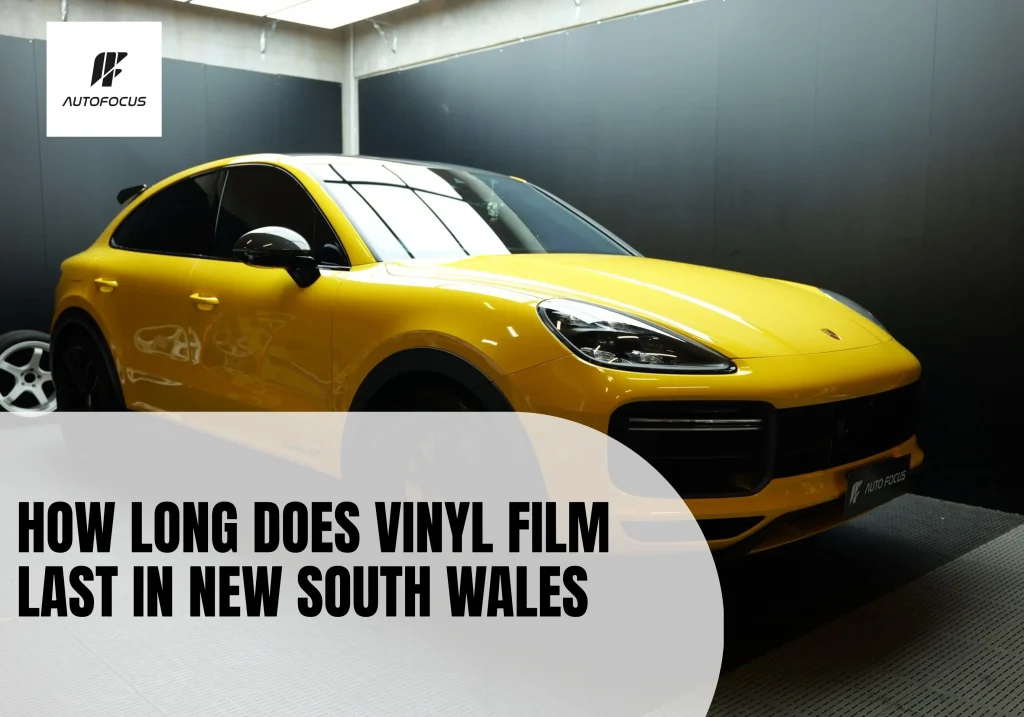
So you’ve been researching before pulling the trigger on a wrap. Smart. Or maybe yours is already on, and something looks off sooner than expected. Either way, you’re asking the right questions about vinyl film longevity NSW. Most likely, most of them don’t account for the fact that New South Wales is one of the harshest environments on the planet for polymer-based film.
NSW is hard on wraps. Sun, heat, and that sticky coastal moisture can wear film down quicker than people expect. So this guide looks at what actually affects lifespan here, and why some wraps still look sharp years later while others start failing far too soon.
Most Vinyl Film Failures in NSW Start Long Before the Damage Shows
Usually, once a wrap starts looking tired with fading, edge lift, or that dull chalky look, the real damage has already been building for some time. It begins below the surface, slowly changing the film before your eyes pick up the signs. And really, that’s just the chemistry of it.
The Role of UV Radiation in Film Degradation
Published research from Environmental Pollution examined how simulated UV weathering degrades polymer materials at a physicochemical level. UV doesn’t just rough up the surface and call it a day. It starts deeper, quietly weakening the material first, which is the part most people never see. And once that weathering sets in, the film becomes far more prone to further breakdown. That’s the tricky bit, isn’t it? It tends to snowball.
Vinyl film is a polymer-based product. The same degradation mechanics apply. So when someone says their wrap “still looks okay,” that’s not necessarily a clean bill of health. The clock has been running since day one.
Heat, Humidity, and Road Conditions Specific to NSW
NSW doesn’t do things by halves with UV exposure. Because Australia cops stronger UV than places like the UK, Canada, or Germany, cars in New South Wales are dealing with harsher conditions for much of the year. And UV levels in NSW stay elevated for around ten months, even when the weather feels cooler.
Worth knowing: UV can’t be seen or felt, and cloud cover doesn’t reliably stop it from reaching the ground. A grey overcast day in Sydney isn’t giving your parked car a break. Add in heat radiating off bitumen, salty coastal air, and the sheer intensity of an Australian summer, and it’s clear why vinyl film longevity NSW is a very different conversation to what someone in Edinburgh might have.
Are You Protecting Your Car (Or Quietly Shortening the Life of the Film)?
Longevity isn’t just about the environment. A lot of it comes down to decisions made before and after the wrap goes on.
Quality of the Vinyl Film Material
Some vinyl films are just built better. And when you’re looking at premium options like STEK or SunTek, you’re getting stronger UV resistance, smarter layered construction, and the kind of shape stability cheaper films usually can’t hold. A budget wrap might look fine in the first six months. Then the NSW sun gets to work, and by month eighteen, you’re looking at lifting corners and patchy colour. Spending less up front often means spending more overall.
Professional Installation vs. DIY Application
DIY wrapping content on YouTube makes it look achievable. For a bonnet or roof panel as a practice run, fair enough. But a full vehicle wrap applied without professional training is a reliable way to cut years off the film’s life before it’s even been tested by the elements. Tension errors, trapped air pockets, poorly sealed edges—these are the entry points for moisture and UV damage. A skilled installer makes a significant difference in how long that wrap actually holds up.
How You Maintain and Care for Your Film
Those brush-heavy car washes might seem convenient, but they’re rough on wrapped surfaces, especially around the edges. And strong detergents do no favours either. A careful hand wash with mild, pH-neutral products is usually the better call. Neglect that, and the film can age faster than you’d expect.
What Vinyl Film Longevity NSW Really Depends On
Vinyl film longevity NSW comes down to three overlapping factors: the quality of the film itself, the standard of the installation, and the consistency of aftercare. In ideal conditions—premium film, professional application, proper washing routine, covered parking—a quality wrap in NSW can last five to seven years. In less controlled conditions, that timeline can shrink to three years or fewer. The environment here doesn’t give mediocre protection the benefit of the doubt.
Want Your Vinyl Film to Last Longer in NSW? Start With What Most People Overlook
The big stuff gets attention. The small stuff quietly determines the outcome.
Proper Washing and Aftercare Routines
Use a two-bucket wash, a soft microfibre mitt, and a gentle pH-neutral shampoo. Simple, but it matters. If your wrap is matte, skip anything with wax in it. And rinse properly, especially in coastal NSW, where salt, grime, and fallout cling on. For gloss finishes, a wrap-safe sealant every so often gives added defence against UV and contaminants.
Parking, Storage, and Sun Exposure Habits
Most people aren’t thinking about this one. A recent NSW Health report from the Cancer Institute NSW found that nearly one million NSW adults were sunburnt at least once over four weeks—and only 35% consistently used multiple forms of sun protection despite full awareness of the risks. Because most people already underestimate cumulative UV exposure on themselves, it’s easy to overlook what it’s doing to a parked car, too. Shade helps. So does a cover for longer outdoor storage. Avoid peak sun where you can, and the film generally holds up better over time.
Vinyl Film vs. Paint Protection Film: Which One Actually Gives You More Staying Power?
Vinyl and PPF serve different purposes. And vinyl is mostly about appearance. It gives the car a different look and adds a bit of surface protection too. But PPF is built for defence first, with a clear finish designed to help guard against chips, scratches, and harsh conditions, and it usually lasts longer as well. Premium PPF products like STEK carry warranties that reflect that. Some owners choose both—vinyl for the aesthetic, PPF on high-impact zones for protection. For those wanting the best of both, that combination is worth a conversation.
Replacing Worn Film Late Can Cost You More Than Acting Early
Peeling or cracked vinyl is more than a cosmetic issue. Once the film starts failing, paint underneath can cop UV, moisture, and grime pretty quickly. And that’s when costs start creeping up. Spotting the damage early and replacing the film sooner usually saves far more than leaving it too long. Waiting turns a straightforward re-wrap into a paint correction job first. A cost worth avoiding.
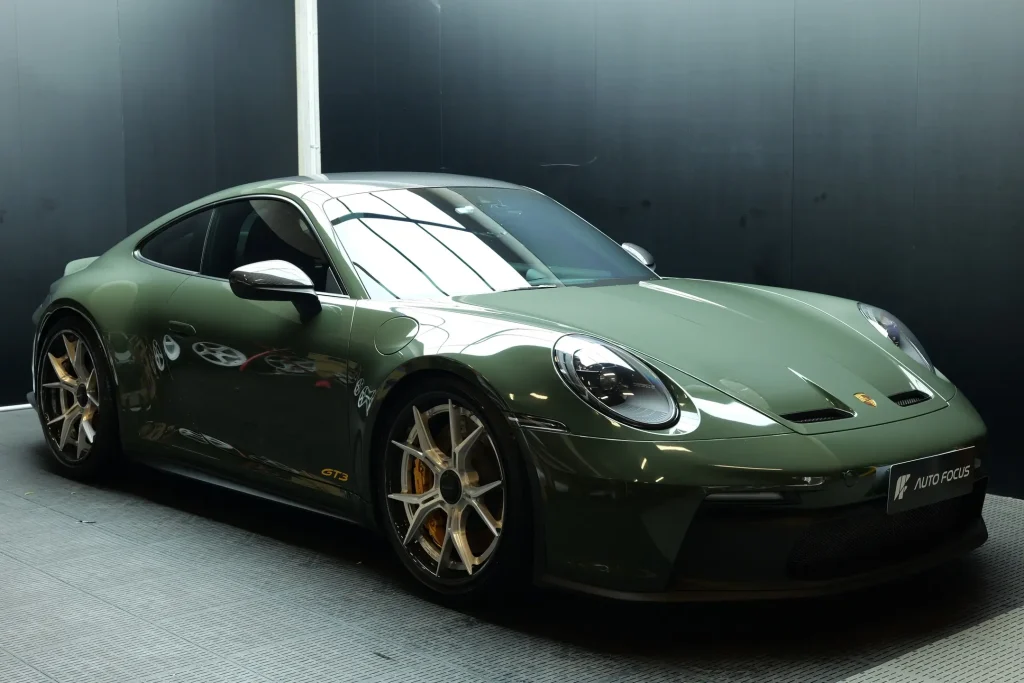
Trust NSW’s Car Detailing Experts To Get It Right the First Time
Getting vinyl film right in NSW requires the right products, the right hands, and genuine expertise with local conditions. At Autofocus Solution, we work exclusively with premium brands including STEK, SunTek, CarPro, and Gtechniq—because we’ve seen what inferior products do in the NSW climate and we’re not interested in offering our clients anything less than proven protection. Every vehicle we touch is treated with precision and care, every curve accentuated, every edge sealed properly.
So if you’re weighing up a full colour wrap, looking into PPF, or just trying to figure out what actually makes sense for your car, that’s exactly the sort of conversation worth having. And sometimes a quick chat clears up a lot, doesn’t it? You can book an obligation-free consultation with our team for straightforward advice, practical insight, and no hard sell.