
You walk back to your car. Everything looks fine… until it doesn’t.
A fresh scratch runs across the door. No note. No explanation. Just damage.
Here’s the truth most drivers don’t realise:
Not every scratch needs repainting. And many can be removed completely with professional car detailing.
The key is understanding how deep the scratch goes.
In this guide, you’ll learn:
- What types of scratches detailing can remove
- When paint correction works (and when it won’t)
- How to tell if it’s only clear coat damage
- The risks of DIY scratch removal
- When repainting is the only option
If you’re trying to decide whether detailing is worth it before a respray, this will give you clarity.
Can Car Detailing Remove Scratches?
Yes — but only if the scratch is in the clear coat.
Professional paint correction can remove or significantly reduce:
- Light surface scratches
- Swirl marks
- Wash marring
- Minor scuffs
If the scratch has gone through the colour (base coat) or down to primer/metal, detailing alone cannot fully remove it.
Understanding Car Paint: Why Depth Matters
Modern automotive paint is layered. Knowing these layers explains everything.
The 3 Main Paint Layers
| Layer | Purpose | Can Detailing Fix Damage Here? |
|---|---|---|
| Clear Coat | Gloss & UV protection | ✅ Yes |
| Base Coat (Colour) | The colour layer | ❌ No |
| Primer / Metal | Adhesion & corrosion protection | ❌ No |
Most everyday scratches — shopping trolleys, dirty cloth washing, light brush contact — stay in the clear coat.
And that’s good news.
Because the clear coat has measurable thickness, it can be safely levelled using machine polishing.
How to Tell If a Scratch Is Only Clear Coat
Here’s a simple test you can do in seconds:
The Fingernail Test
- Lightly run your fingernail across the scratch.
- If your nail doesn’t catch, it’s likely clear coat only.
- If your nail catches or drops into a groove, it’s deeper.
Other signs:
✔ White-looking lines = often clear coat
✔ Still glossy around it = likely surface damage
❌ Grey or silver showing = metal exposed (repaint needed)
If you’re unsure, a professional inspection under proper lighting is the safest call.
How Professional Paint Correction Removes Scratches
This is where real detailing separates itself from DIY kits.
Professional scratch removal uses:
- Dual-action machine polishers
- Measured abrasive compounds
- Multiple polishing stages
- Paint thickness readings
What Actually Happens
Microscopic abrasives level a very thin layer of clear coat around the scratch.
This:
- Flattens jagged edges
- Restores even light reflection
- Brings back gloss and depth
No fillers. No temporary masking.
Just controlled refinement of the surface.
Typical Results
For clear coat scratches, professional correction can:
- Remove 70–90% of visible defects
- Restore factory-like gloss
- Dramatically improve resale value
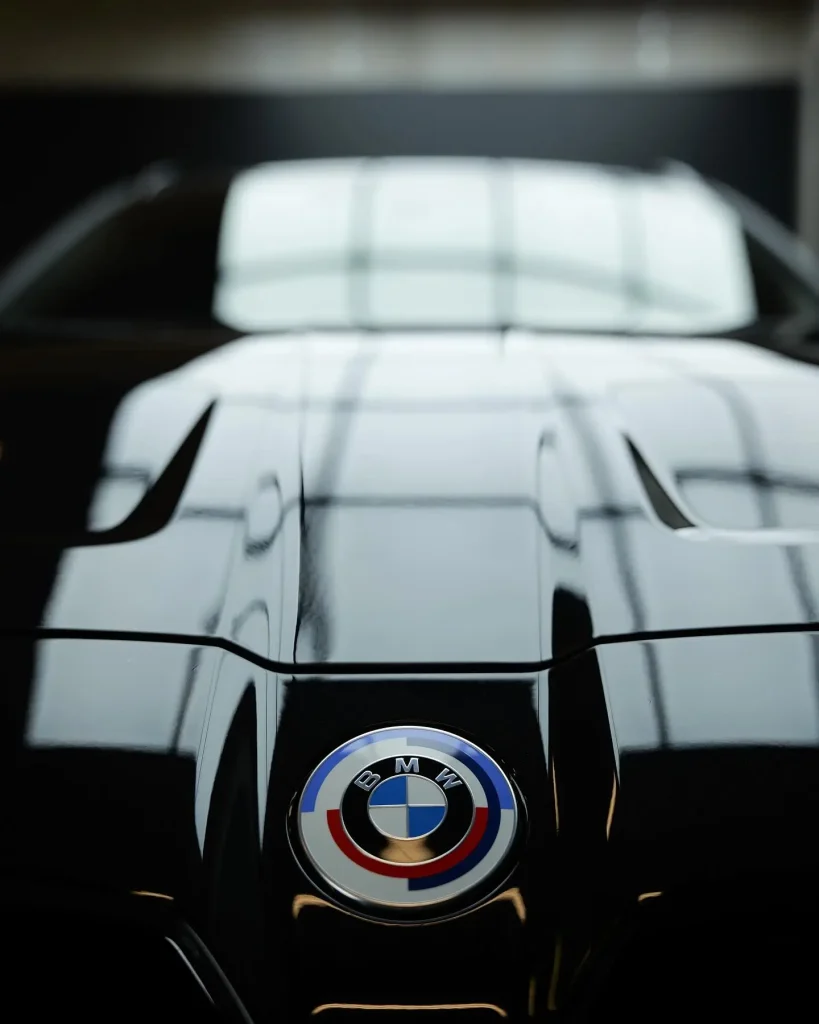
On darker vehicles (black, navy, deep red), the difference is often dramatic.
When Car Detailing Cannot Remove Scratches
Not all damage is correctable.
Detailing will NOT fix:
- Deep key marks through colour
- Scratches exposing primer
- Bare metal showing
- Large scrapes with missing paint
- Peeling clear coat
At this stage, the only proper solution is panel refinishing or repainting.
And delaying repairs when metal is exposed can lead to rust — especially in coastal environments.
The Risk of DIY Scratch Repair Kits
Scratch repair kits look affordable.
But here’s what often goes wrong:
1. Misdiagnosing the Depth
If the scratch is deeper than clear coat, polishing just thins surrounding paint.
2. Overheating the Panel
Wrong pads or compounds create:
- Holograms
- Burn-through
- Patchy finish
3. Making It Worse
Uneven polishing can make the repair area more noticeable than the scratch itself.
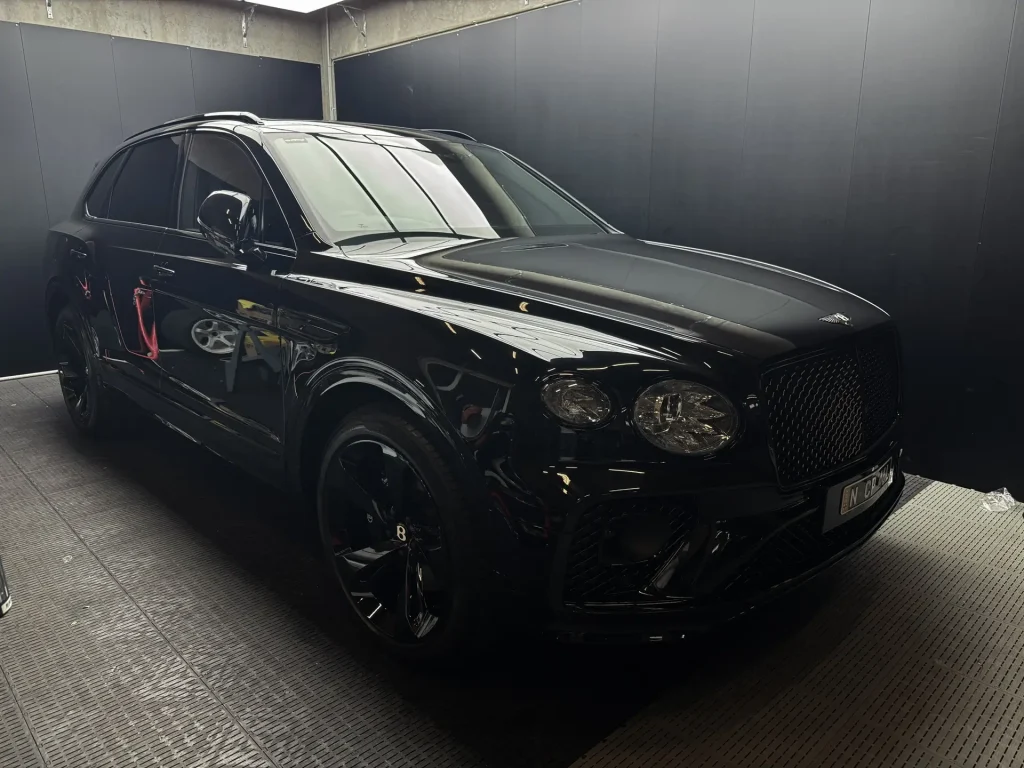
On luxury finishes — like a black BMW or Porsche — mistakes are obvious under sunlight.
And modern vehicles with ADAS sensors in bumpers or panels add another layer of risk.
What Happens After Scratch Removal? Protect It Properly
Once corrected, the surface should be protected.
Popular protection options:
Ceramic Coating
- Harder surface layer
- Hydrophobic (water-repellent)
- UV resistant
- Easier washing
Graphene Coating
- Similar to ceramic
- Claimed higher durability
- Strong chemical resistance
Paint Protection Film (PPF)
- Physical barrier
- Self-healing surface
- Best defence against stone chips
If you’ve invested in correction, protecting it prevents repeating the same problem.
Is Professional Scratch Removal Worth It?
In most cases: Yes.
Compared to repainting, paint correction:
- Costs significantly less
- Preserves factory paint (important for resale)
- Avoids colour mismatch issues
- Can be completed in a day
For light to moderate scratches, it’s often the smartest first step.
Who Should You Trust With Scratch Removal?
Not all detailers offer true paint correction.
Look for:
- Paint thickness measurement tools
- Multi-stage polishing process
- Strong lighting inspection
- Clear explanation of limits
- Warranty-backed protection options
If you’re in Sydney, choosing a specialist in paint correction — not just a basic wash service — makes all the difference.
A proper consultation should tell you honestly:
- What can be fully removed
- What can be improved
- What requires repainting
No pressure. Just facts.
Key Takeaways
- Most light scratches are clear coat only
- Professional detailing can remove 70–90% of surface scratches
- Deep scratches through colour need repainting
- DIY kits can cause more damage
- Protection after correction is essential
If you’re unsure about a scratch, get it assessed before committing to repainting. You may not need it.
Frequently Asked Questions
Can car detailing remove deep scratches?
No. If the scratch has gone through the colour layer or into primer/metal, detailing cannot fully remove it. It may improve appearance slightly, but repainting is required for complete repair.
How much does professional scratch removal cost?
Costs vary depending on depth and number of panels affected. Paint correction is usually far less expensive than a full respray and preserves original factory paint.
Does polishing remove clear coat?
Yes — but in microscopic, controlled amounts. Professional polishing removes a tiny layer of clear coat to level the surface safely.
Is it better to polish or repaint a scratched car?
If the scratch is only in the clear coat, polishing is almost always better. Repainting should only be done when paint layers are fully breached.
Will scratches come back after detailing?
If properly corrected and protected with ceramic coating or PPF, the same scratches will not “come back.” However, new damage can occur without protection.