
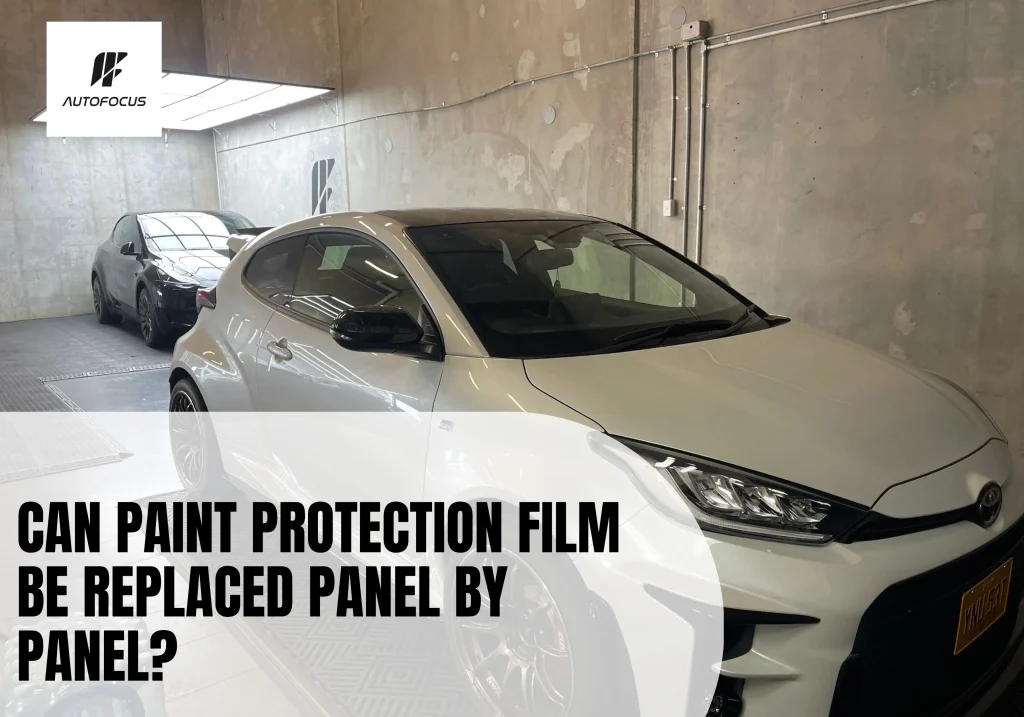
Good news if you’ve spotted damage on one section of your PPF panel replacement. You probably don’t need a full re-wrap. Localised issues like scratches, peeling, or lifting edges are typically handled panel by panel. Learn more about how paint protection film protects against scratches, chips, and UV damage.
- Scratches, peeling, or lifting edges on one panel? That’s usually a targeted fix, not a full job
- Widespread yellowing, adhesive failure, or film degradation across the whole car is when full replacement makes sense
- A professional installer assesses the surrounding film before recommending any scope of work
- PPF panel replacement saves time, money, and unnecessary disruption to undamaged areas
What Is PPF Panel Replacement and How Does It Work?
Most car owners assume that once one section of their paint protection film is gone, the whole lot has to go with it. That assumption costs more money than it should.
Understanding How Paint Protection Film Is Applied to Panels
Paint protection film goes on section by section, bonnet, bumper, doors, mirrors, each panel cut and fitted individually. So damage to one area doesn’t automatically affect the rest.
When Does a Single Panel Need to Be Replaced?
A panel’s due for replacement when the film stops doing its job. Think deep scratches that won’t heal, edges that keep lifting, or visible hazing that won’t buff out.
What Happens During the Removal and Reapplication Process?
Removal is done carefully using heat to soften the adhesive and protect the paint underneath. Surface is cleaned and inspected before the new film goes on. The prep work is where the quality of the final result is decided.
Signs Your PPF Needs Panel-by-Panel Replacement (Not a Full Rewrap)
Knowing what to look for saves a lot of unnecessary guesswork—and unnecessary spending.
Visible Damage Limited to One or Two Panels
If the damage is confined to a specific area, targeted panel replacement is likely all that’s needed. No point pulling film off panels that are doing their job perfectly well.
Edge Lifting and Peeling on Specific Sections
Edge lifting tends to happen in high-stress zones: around door handles, along bonnet edges, and near wheel arches. Left unattended, lifted edges invite moisture underneath — and a small fix becomes a bigger problem.
Self-Healing Film That Has Reached Its Limit
Self-healing PPF is genuinely clever tech, but it’s not unlimited. The healing agents are built into the film’s structure, and once they’re depleted through repeated damage cycles, the film can’t repair itself anymore.
Materials science research shows that healing efficiency degrades against the film’s original properties over time. So if scratches have stopped disappearing and the surface stays dull after heat exposure, that panel has likely had it.
Discolouration or Hazing on High-Impact Zones
Yellowing and hazing tend to concentrate on the bonnet, front bumper, and leading guard edges — while the rest of the car’s film stays clear and intact.
Can All Types of PPF Be Replaced Panel by Panel?
Not all PPF is the same, and the type of film on your car affects how straightforward a partial replacement actually is. Different products vary in thickness, finish, and self-healing performance, which is why understanding the different types of paint protection film for cars matters before replacement work begins.
Standard vs. Self-Healing PPF Films
Both types can be replaced panel by panel. The process is essentially the same — the difference lies in cost and matching the specification of the existing film.
Gloss vs. Matte Finish — Does It Affect Partial Replacement?
Matte finish PPF is trickier to match than gloss. Variations between batches or between older and newer film can create visible differences in sheen. A qualified installer will assess this honestly before committing to partial work. Proper matte car paint maintenance also plays a role in keeping the finish consistent over time.
Matching New Film to Existing Film: What Installers Look For
Age, brand, batch availability, and how the film has weathered all factor into whether a match is achievable. Where the existing film is under five years old, matching is generally very manageable.
PPF Panel Replacement vs. Full Vehicle Rewrap — Which One Do You Need?
The honest answer: it depends on the overall condition of your film, not just the damaged panel.
Cost Differences Between Partial and Full PPF Replacement
Partial replacement is significantly less expensive than a full rewrap — you’re paying for one or two panels, not the entire vehicle. For cars where most of the film is still performing, a PPF replacement is the practical choice.
How Installers Decide the Right Scope of Work
A proper inspection covers adhesion, film clarity, edge condition, and whether the self-healing layer still works. And if an installer suggests expanding the scope, they should be able to tell you exactly why.
When a Full Rewrap Actually Makes More Sense
Films that are over eight to ten years old, uniformly yellowed, or showing widespread adhesive failure are better replaced in full. Understanding the common causes of PPF yellowing and film failure can help car owners identify when replacement is unavoidable.
How Much Does PPF Panel Replacement Cost in Australia?
Pricing varies depending on the panel, film product, and installer — but understanding the main cost drivers helps set realistic expectations.
Factors That Affect the Price of Replacing a Single PPF Panel
A few things push the price up: panel size, film grade, and whether paint correction is needed before installation. Premium films from brands like STEK or SunTek will naturally cost more than entry-level options.
Average Cost Ranges for Common Panels (Bonnet, Bumper, Doors)
Mirrors and smaller panels are on the cheaper end. But a front bumper or bonnet involves more material and more time, so the price reflects that. An in-person assessment is honestly the only way to get a reliable figure.
Is PPF Panel Replacement Covered by Insurance in Australia?
In some cases, yes — particularly where damage relates to a specific incident. Policies vary significantly, so contact your insurer directly with documentation of the original installation.
PPF Panel Replacement in Sydney — Finding the Right Installer
Getting the panel work done right matters as much as getting it done at all.
What to Look for in a Qualified PPF Installer in Australia
Experience with the specific film product, precision cutting software, a dust-free workshop, and a clear preparation process. Ask to see previous partial replacement work — the edge finish and blending quality tell you everything.
Why Choosing a Certified Installer Matters for Panel Work
Australia’s paint protection industry has a formal certification pathway through WFAANZ, and it exists for good reason. Untrained operators undercut on price, use substandard products, and regularly leave car owners worse off than before.
WFAANZ President Ally Cronan has been straightforward about this. The Automotive Window Film Certification program was built so owners can tell the difference. So, for anyone in Sydney sorting out a PPF replacement, a certified installer is the safer call.
How Autofocus Solution Approaches PPF Panel Replacement
Every job at Autofocus Solution starts with a full assessment — not just the damaged panel, but the condition of the film across the whole car. Premium brands, including STEK and SunTek, are used, with a strong focus on premium PPF wrap materials and installation quality to ensure long-term protection and finish consistency.
How to Maintain Your PPF After a Panel Replacement
A few straightforward habits make a real difference to how long the new film lasts.
Aftercare Tips for Newly Replaced PPF Panels
For the first two weeks, skip high-pressure washing near panel edges and stay out of extended direct sun. A pH-neutral wash product is the right call while the film’s still curing.
How Long Should Replaced PPF Last?
Quality PPF installed by a skilled professional should last five to ten years, depending on the product and conditions. Sydney’s UV intensity and coastal air are harder on film than more temperate climates — consistent care pays off.
Protecting High-Impact Panels from Future Damage
Regular inspection of edge adhesion and prompt attention to any early lifting will extend the life of even the most exposed panels considerably.
Frequently Asked Questions About PPF Panel Replacement
Can you replace just one panel of paint protection film?
Yes. Single-panel PPF replacement is routine for qualified installers, provided the surrounding film is in reasonable condition, and a suitable match is available.
How long does PPF panel replacement take?
Most single-panel jobs are completed within a day, with installation typically taking two to four hours, including prep.
Will a replaced PPF panel look different from the rest of the film?
On a well-executed job using matching film, the difference should be undetectable. A good installer assesses film age, finish, and batch consistency before work begins.
Is PPF panel replacement worth it on an older car?
If the rest of the film is sound, replacing a damaged panel is worthwhile. Where the film is broadly deteriorating, the conversation shifts toward full replacement.
How do I know if my PPF needs replacing or just polishing?
Light swirl marks can often be addressed with a professional detail. Lifting edges, adhesive failure, or a self-healing layer that’s stopped responding means the film needs to go.
How much does it cost to replace a PPF panel in Australia?
Costs vary by panel size, film grade, and location. A direct consultation with a qualified installer gives the most accurate figure.
Get Your PPF Assessed With Us
One damaged panel doesn’t mean starting from scratch. A proper assessment will tell you exactly what’s needed — nothing more.
Book a No-Obligation PPF Consultation with Autofocus Solution
At Autofocus Solution, we back our products and applications completely. Working exclusively with premium brands — STEK, SunTek, CarPro, and Gtechniq — every job is handled with the precision your vehicle deserves. Sydney car owners trust us because we’re straightforward about what’s needed and meticulous about how we deliver it.
Ready to find out what your PPF actually needs? Enquire with Autofocus Solution by getting a no-obligation assessment from a team that genuinely cares about the result.