
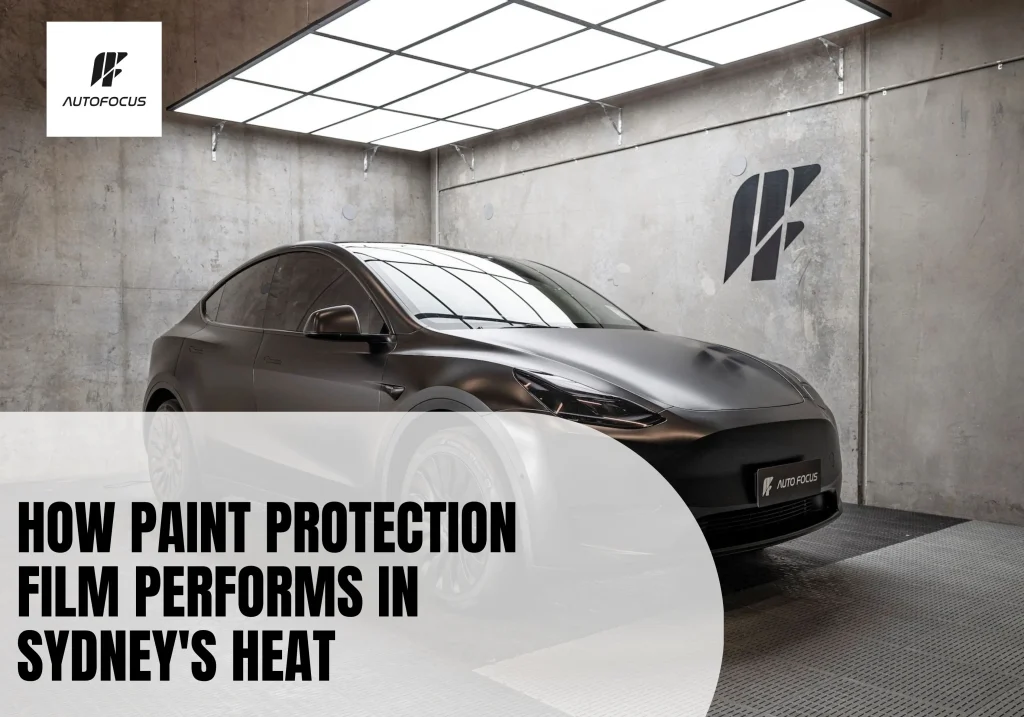
Sydney’s sun doesn’t mess around. The UV index regularly hits extreme levels, summer humidity rolls in off the coast, and car surfaces bake at temperatures that accelerate damage most owners don’t even see coming. Paint protection film Sydney drivers are choosing is a proven physical barrier against all of it—not a cosmetic afterthought.
- PPF is a thermoplastic urethane film that bonds directly to your car’s exterior to block UV rays, heat damage, and physical impact
- Sydney’s coastal climate creates electrochemical conditions that accelerate paint and metal degradation faster than most Australian cities
- Film composition and installation quality determine how well PPF holds up over time in humid, high-UV environments
- Choosing a qualified local installer with premium-grade film is the difference between 5 years of performance and 12 years
What Is Paint Protection Film and How Does It Work?
PPF gets mentioned a lot in car circles, but understanding the mechanics is what turns it from a vague recommendation into a confident decision.
The Science Behind PPF
Paint protection film is a thin, flexible thermoplastic urethane layer applied directly over your car’s painted surfaces. Originally developed for military use, it’s since become a trusted standard in premium automotive protection worldwide.
High-quality films like STEK and SunTek are engineered with UV inhibitors built into the film structure, plus a scratch-resistant clear coat on top.
What PPF Actually Protects Against
Beyond stone chips, PPF creates a full barrier between your paint and everything the road throws at it:
- Stone chips and debris that pit unprotected clear coats
- Prolonged sun exposure gradually dulls paint and chips away at the clear coat finish.
- Bird droppings, tree sap, and general road grime can etch into the surface if left unattended.
- Once moisture finds its way into bare paint, the deterioration tends to move more quickly than most people expect.
Premium films also carry self-healing properties — minor surface scratches close up with heat, including ambient warmth on a Sydney afternoon.
Why Sydney’s Climate Is Unusually Harsh on Car Paint
Not every Australian city puts car paint under the same kind of pressure. Sydney’s specific combination of factors makes it tougher than most people would expect.
The Role of UV Radiation in Paint Degradation
Sydney’s summer UV levels often climb to 11 or more, and that sort of exposure slowly wears down the clear coat. So the paint can start to look faded, dull, and chalky before you really notice it.
How Heat and Humidity Combine to Accelerate Damage
Bare metal panels exposed to moisture and oxygen don’t just sit there. Those electrochemical reactions quietly build up underneath, often faster than most drivers realise.
And around Sydney’s coast, that mix gets rougher. Salt in the air, damp conditions, and heat can speed up local damage, while pitting can keep spreading even after the weather eases off.
Sydney vs. Other Australian Cities — Is the Threat Greater Here?
Sydney runs hotter, saltier, and more humid than Melbourne, Canberra, or Adelaide through most of the year. Factor in the temperature swings each season, and paint takes a pretty consistent beating compared to other cities.
H2: How Paint Protection Film Holds Up in Sydney’s Heat
Knowing the climate is harsh is one thing. Knowing whether PPF actually handles it is where film quality and installation really start to matter.
UV Resistance — Can PPF Block the Sun’s Damage?
Premium PPF is built with UV blockers that help stop sunlight from reaching the paint underneath, which matters a lot in Sydney. And with quality films like STEK and SunTek, clarity holds up well without that yellow or cloudy look creeping in.
Thermal Performance — What Happens to PPF at High Temperatures?
Car surface temperatures can push well above 70°C on a hot Sydney day, and premium thermoplastic urethane films stay stable without lifting or bubbling.
Edge sealing technology keeps the film bonded at its most vulnerable points through season after season.
Humidity and Coastal Exposure — Does PPF Handle Sydney’s Air?
Research confirms that a film’s binder composition governs how much moisture reaches the substrate—quality PPF minimises this, while poorly formulated alternatives allow greater penetration over time.
For Sydney’s coastal environment, that distinction is the difference between protection that holds long-term and protection that quietly fails.
Self-Healing Properties and Long-Term Clarity
Thermally activated polymer chains reflow over light surface scratches when exposed to heat, keeping the film clear and unmarked over years of use. This is the benefit you notice every time you walk past it in the driveway.
Is Paint Protection Film Better Than Other Options for Sydney Drivers?
There’s no shortage of protection options on the market, and fair dinkum, not all of them stack up the same way in Sydney’s conditions.
PPF vs. Ceramic Coating in Hot Climates
Ceramic coating does a good job with water spots and grime, but it won’t stop stone chips or road debris from hitting the paint. So that’s why plenty of Sydney drivers pair it with PPF for better protection.
PPF vs. Vinyl Wrap — What Lasts Longer Under the Sun?
Vinyl wrap is mostly about looks, and in steady heat and strong UV, cheaper films can fade, peel at the edges, and lose grip much sooner.
Paint protection film Sydney installers will be straight with you: PPF is thicker, more impact-resistant, and built specifically for protection.
Which Vehicles Benefit Most from PPF in Sydney?
PPF makes the most sense on newer cars, luxury or performance models, darker paint that shows every little mark, and anything clocking regular kilometres on Sydney motorways or salty coastal roads.
Getting Paint Protection Film in Sydney — What You Need to Know
Installation quality is everything with PPF, so choosing who does the job matters just as much as choosing the film itself.
What to Look for in a Sydney PPF Installer
A quality installer should walk you through their film brand, prep process, and warranty documentation. Autofocus Solution uses industry-benchmark brands STEK and SunTek, backed by a 12-year warranty.
How Sydney’s Suburbs and Driving Conditions Affect PPF Wear
Eastern Suburbs roads cop more salt in the air, while western motorways tend to throw up more stone chips from trucks and daily traffic. So the right coverage really depends on where you actually drive, doesn’t it?
How Long Does PPF Last in Sydney’s Conditions?
With quality film and a proper installation, paint protection film Sydney drivers choose can last 8 to 12 years. And regular car detailing helps keep that protection working properly.
Real-World PPF Performance in Australian Heat
The theory is solid. What does the evidence say about how polymer films actually behave in conditions like Sydney’s?
What the Research Says About Polymer Films in Hot, Humid Climates
Peer-reviewed research confirms that polymer film permeability shifts as environmental humidity fluctuates—directly relevant to Sydney’s coastal summers.
A properly formulated and installed PPF creates a measurable moisture barrier that holds up dynamically, something budget films simply don’t achieve.
What Australian Car Owners Have Experienced
Talk to anyone with quality PPF on a Sydney car, and the feedback is consistent: protected panels look like new while unprotected sections show clear wear. Second-time buyers rarely skip protection.
Frequently Asked Questions About Paint Protection Film in Sydney
Still working through the decision? These are the most common questions, answered straight.
How much does paint protection film cost in Sydney?
Cost varies depending on vehicle size, coverage, and film grade. Autofocus Solution offers packages across sedan, large sedan, mid-SUV, and large SUV categories — worth enquiring directly for an accurate quote.
Is paint protection film worth it in Sydney’s climate?
Given Sydney’s UV intensity, coastal salt exposure, and year-round temperature extremes, prevention costs considerably less than repainting or addressing corrosion damage. For anyone keeping their car more than a couple of years, the answer is pretty clearly yes.
How long does paint protection film last in hot weather?
Films like STEK and SunTek are rated to last 10 to 12 years, even in hotter climates. But that kind of lifespan really does come down to a clean install and keeping up with basic maintenance.
Does heat cause paint protection film to peel or yellow?
Budget films and poor installation can cause both. Premium thermoplastic urethane films with edge sealing and UV-inhibiting formulations are engineered to resist yellowing and edge lift under sustained heat.
Can paint protection film be applied to any car in Sydney?
Yes. PPF can be applied to virtually any vehicle, new or used, provided the paint surface is in reasonable condition. A good installer will assess and advise on any prep work needed beforehand.
What is the difference between PPF and a clear bra?
They’re the same thing. “Clear bra” is an older term for paint protection film, originally used because early applications covered just the front end of the vehicle.
Protect Your Car Before Sydney’s Next Heatwave
Every Sydney summer delivers another round of extreme UV, coastal humidity, and heat that unprotected paint quietly pays the price for.
At Autofocus Solution, we handcraft every PPF installation with the precision that comes from genuinely caring about the outcome. We use proven brands like STEK and SunTek, back our work with a 12-year warranty, and make sure every edge, curve, and surface is treated right.
Explore Autofocus Solution’s paint protection film packages and book a no-obligation consultation here. Expert advice comes standard because we’re all about protecting what you’ve invested in. That’s something we in the Autofocus Solution team genuinely care about.