
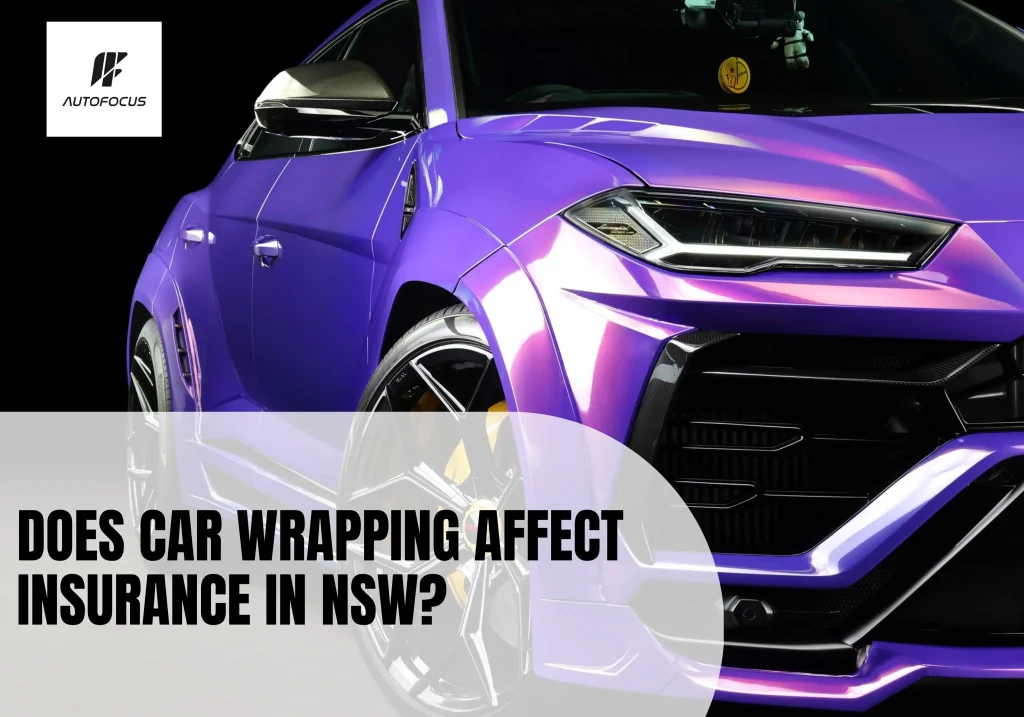
After spending thousands transforming your vehicle with a stunning vinyl wrap, you found out your insurer won’t cover a cent when you need them most. That claim you lodged after a carpark scrape? Denied—because nobody mentioned the wrap would change everything.
It’s playing out across Sydney right now, where car owners discover the hard way that what seems like a simple cosmetic upgrade carries serious insurance implications. Before committing to that colour change or branding wrap, understanding how it affects insurance could save thousands in denied claims.
The Truth Insurers Assume You Already Know (But Never Actually Tell You)
Here’s the uncomfortable reality: insurers treat vinyl wraps as modifications from day one, yet they rarely spell out what that actually means. Most policies require notification of “any modifications or alterations”—and that absolutely includes wraps. The assumption is that vehicle owners understand this duty of disclosure.
What’s frustrating is how differently insurers handle wraps. Some accept them without blinking, others jack up premiums significantly, and a handful refuse coverage outright. There’s no universal standard, leaving car owners navigating a minefield. Ring one insurer, and they’ll say it’s fine; call another, and it’s a deal-breaker.
Why Even “Cosmetic-Only” Wraps Trigger Insurance Scrutiny
What Transport NSW Considers a Modification
According to Transport for NSW, a modified vehicle has been “altered from its original manufacturer’s specification by replacing, adding or upgrading components of its body, engine, brakes, drive train or chassis.” That definition is deliberately broad, and vinyl wraps fall squarely within it because they alter the vehicle’s body appearance from factory spec.
Even a full-colour wrap—with no performance changes whatsoever—still represents a departure from the manufacturer’s original spec. That’s why insurers require disclosure regardless of whether the modification is purely cosmetic.
The Legal Grey Area Most Wrap Shops Won’t Tell You About
Most vinyl wraps don’t require formal VSCCS certification because they’re considered minor modifications that don’t affect safety systems. Except insurers don’t always see it that way. One insurer might wave you through, another demands certified installer proof—even when Transport NSW doesn’t actually require it.
Things get messier when you add window graphics, reflective finishes, or business signage. Suddenly, your vehicle’s classification shifts. And what’s more, plenty of installers either aren’t aware of these complications or simply don’t bring them up. So owners only find out when they’re mid-claim—and it’s too late.
The Shocking Truth About Car Wrapping NSW and Your Premium
When Wraps Increase Your Premium
Your premium might climb—but not always. Insurers consider the obvious: your vehicle’s worth more, wrapped cars attract thieves (they stand out), and repairs cost extra. And those flashy performance wraps? They’ll sting more than a basic colour change. Drivers under 25 often cop higher premiums or even coverage refusals when modifications enter the picture.
The Surprising Way Quality Wraps Can Lower Insurance Costs
Premium wraps can actually work in a vehicle owner’s favour. Brands like STEK or Suntek actually shield your paint from stone chips and UV punishment. And here’s the thing: Some insurers get it. They’ll factor in that protection, especially if you’re near the coast where salt air destroys paintwork. Professional documentation proves you’re serious about maintenance, which can work in your favour when negotiating premiums.
Agreed Value vs. Market Value: Which Protects Your Wrap Investment?
This is critical. Market value policies pay what a similar, standard vehicle would sell for at claim time—often ignoring modifications completely. A vehicle might have a $6,000 wrap, but if the insurer assesses market value based on factory spec, that investment vanishes in a total loss.
Market value works on depreciation, so wrapped vehicles often get undercut if the market doesn’t reflect upgrades. Agreed value locks in a specific figure upfront—usually higher premiums, but far more certainty if the vehicle’s written off. For anyone investing serious money in car wrapping NSW vehicles, agreed value is the smarter play. Just ensure the declared value includes the wrap’s cost, backed by receipts and professional documentation.
The Disclosure Mistake That Turns Claims Into Nightmares
What Happens When You Don’t Declare Your Wrap
Failing to disclose a wrap is a breach of duty that underpins every insurance contract. Your insurer immediately spots that undeclared wrap during claims assessment. This leads you to face bigger excesses, reduced settlements (and potentially outright rejection). And the wrap doesn’t even need to be relevant to the damage. Insurers can slash payouts or walk away entirely, leaving you stuck with the bill. The onus sits with the vehicle owner, and “I didn’t know” doesn’t cut it.
Documentation Insurers Actually Require
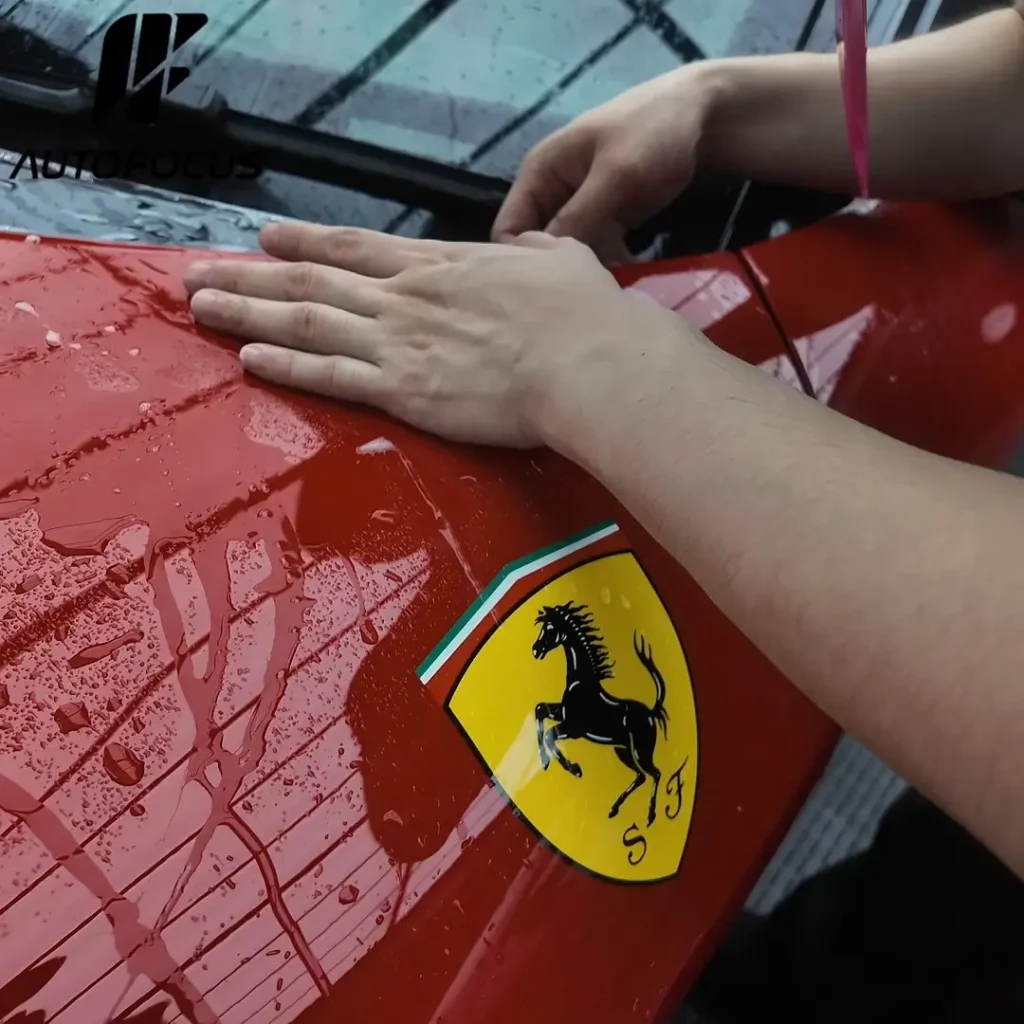
Documentation makes or breaks your claim. Keep modification details with costs, installer receipts, quality photos, and any compliance certificates from day one. Professionally fitted wraps get better treatment than DIY jobs. For agreed value policies, this documentation justifies the declared figure. Without receipts, insurers can dispute the valuation.
Will Your Wrap Pass VSCCS Certification (Or Fail Your Next Claim)?
When Your Wrap Needs Official Certification
Most vinyl wraps don’t legally require certification because they’re minor modifications. However, wraps involving structural changes—custom body kits, spoilers—might need certification. Commercial wraps with heavy signage or anything obscuring lights could also require inspection. When in doubt, check with a licensed VSCCS certifier beforehand.
The Certification Process That Protects Your Coverage
Licensed certifiers assess compliance with vehicle standards, conduct inspections, and issue a VSCCS Compliance Certificate if everything checks out. That certificate doesn’t expire. Even when not legally required, certification provides bulletproof evidence of compliance—exactly what insurers want when assessing claims.
The Insurance Traps That Catch Even Experienced Wrap Owners
The Theft Claim Loophole
Theft coverage hinges on proper disclosure. If the wrap was declared, legal, and part of comprehensive cover, it’s protected. If not declared? Insurers can deny the claim or pay only the factory-spec value. Some policies also impose dollar caps on modifications—always confirm coverage limits and consider agreed value.
Why Some Insurers Won’t Cover Wrapped P-Plater Vehicles
Provisional licence holders face stricter rules. While wraps don’t change performance, insurers often view them as markers of risky behaviour—especially aggressive designs. Some insurers refuse to cover P-platers with modified vehicles; others load premiums heavily. Young drivers need to confirm acceptance in writing before committing.
How Professional Installers Bulletproof Your Insurance Acceptance
The Documentation Professional Installers Provide
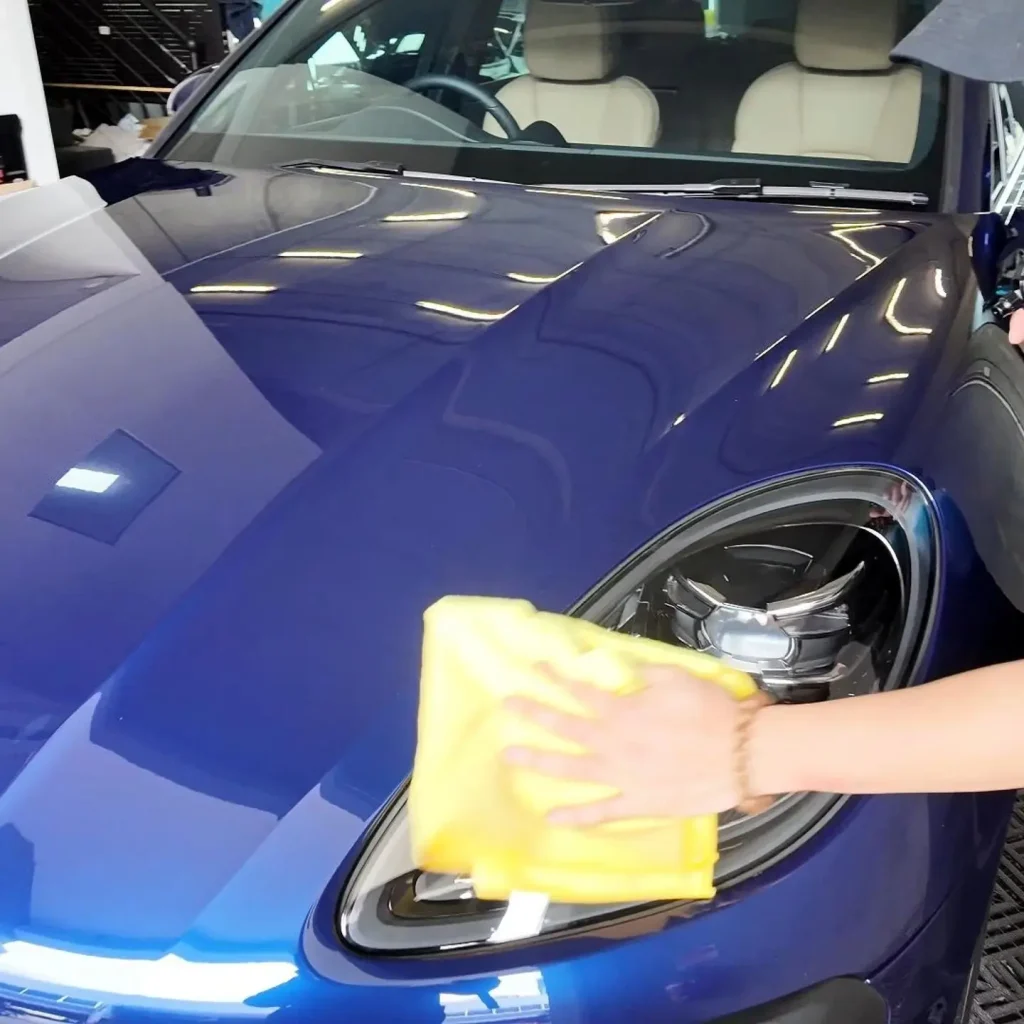
Choosing the right installer makes all the difference. For one, certified installers use proper surface prep, edge work, and heat application that extends wrap life by 2-3 years. And insurers notice. Premium vinyl from 3M or Avery comes with 5-7 year warranties, but only when certified professionals handle installation. That warranty documentation? It’s exactly what insurers want to see.
That warranty documentation proves the work was done to spec by qualified installers. Professional installers also provide detailed invoices, installation certificates, and compliance records—exactly what insurers demand.
Red Flags That Signal Insurance Headaches Later
Installers who dodge questions about insurance documentation, refuse written warranties, or can’t produce certification should raise concerns. Anyone suggesting a wrap doesn’t need declaring is offering dangerous advice that could void coverage. Watch for installers who can’t name the vinyl brand or who don’t guarantee their work.
Protect Your Investment Before You Commit to Any Wrap
Wrapping a vehicle is brilliant for paint protection and aesthetics—but only when done properly with full awareness of insurance implications. Cutting corners on disclosure or professional installation can turn a smart investment into a costly nightmare.
At Autofocus Solution, we handle the entire process with precision. We only use premium brands like STEK, Suntek, and Avery Dennison and expect certified professional installation and comprehensive paperwork that satisfies even the strictest insurers. Located in Banksmeadow in Sydney’s Eastern Suburbs, we’ve built our reputation on delivering wraps that look stunning and hold up under insurance scrutiny.
Ring us on 0480 512 269 or get a no-obligation consultation where we’ll walk through your insurance situation, compliance requirements, and documentation needs. Don’t let your investment become a claim headache—protect it properly from day one.